Moments of Belonging: The Value of Hands-On Learning
Moments of Belonging: The Value of Hands-On Learning in a High-Tech World
As Childpeace celebrates 50 years, we are reflecting on five decades of educators, students, and families who have shaped our community since 1976. This story is part of our Stories of Belonging project, highlighting how we help children belong to themselves, to others, and to their community.
Follow this link to share a story of your own!
As an artist who explores space, memory, and physical form through ceramics, Janet Williamson knows that true understanding happens through the hands.
Perhaps it was that creative perspective that instinctively drew her to Childpeace Montessori School in 1997 when her family relocated to Portland. Cole, a late talker but an early reader at age 3, needed an environment where learning wasn’t passive or abstract. Instead, he needed to move, touch, and explore at his own pace.
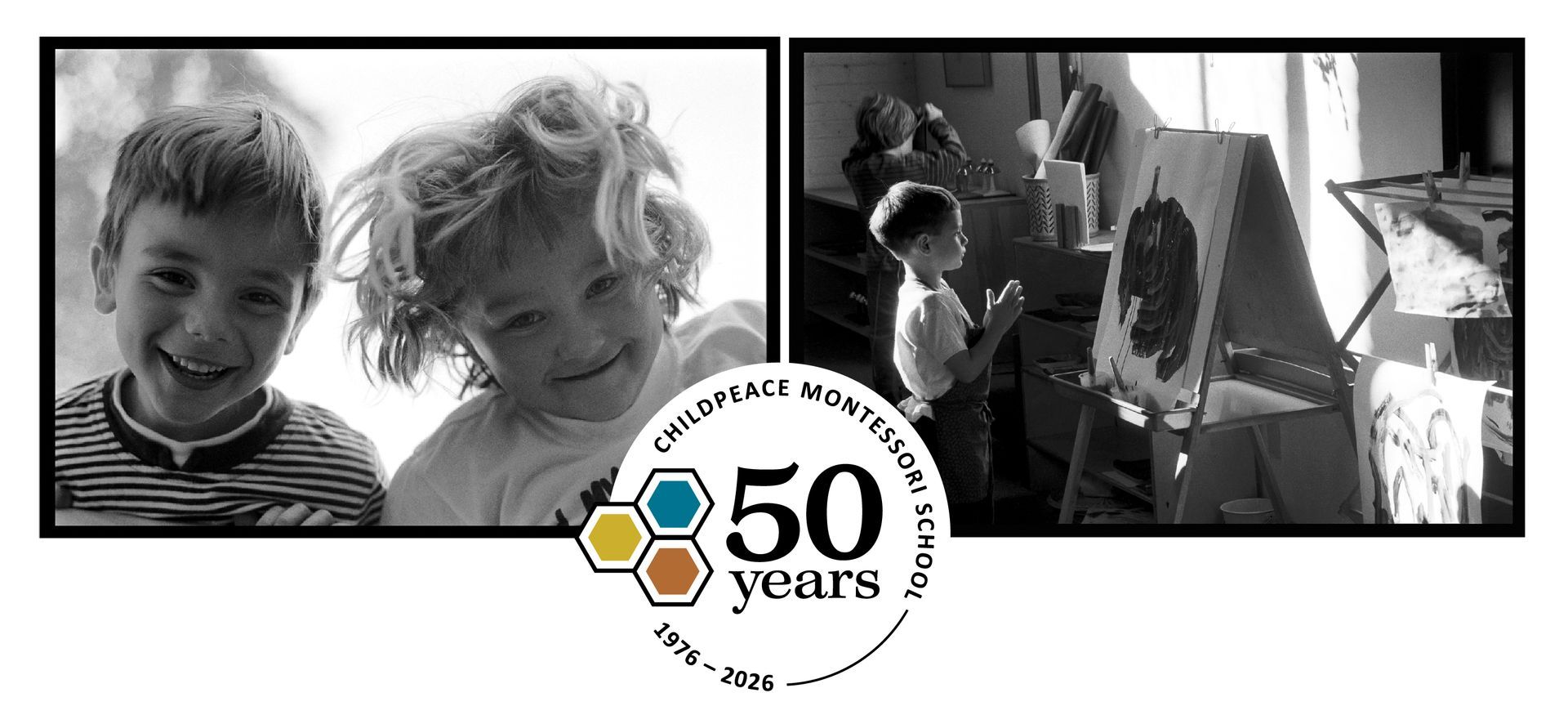
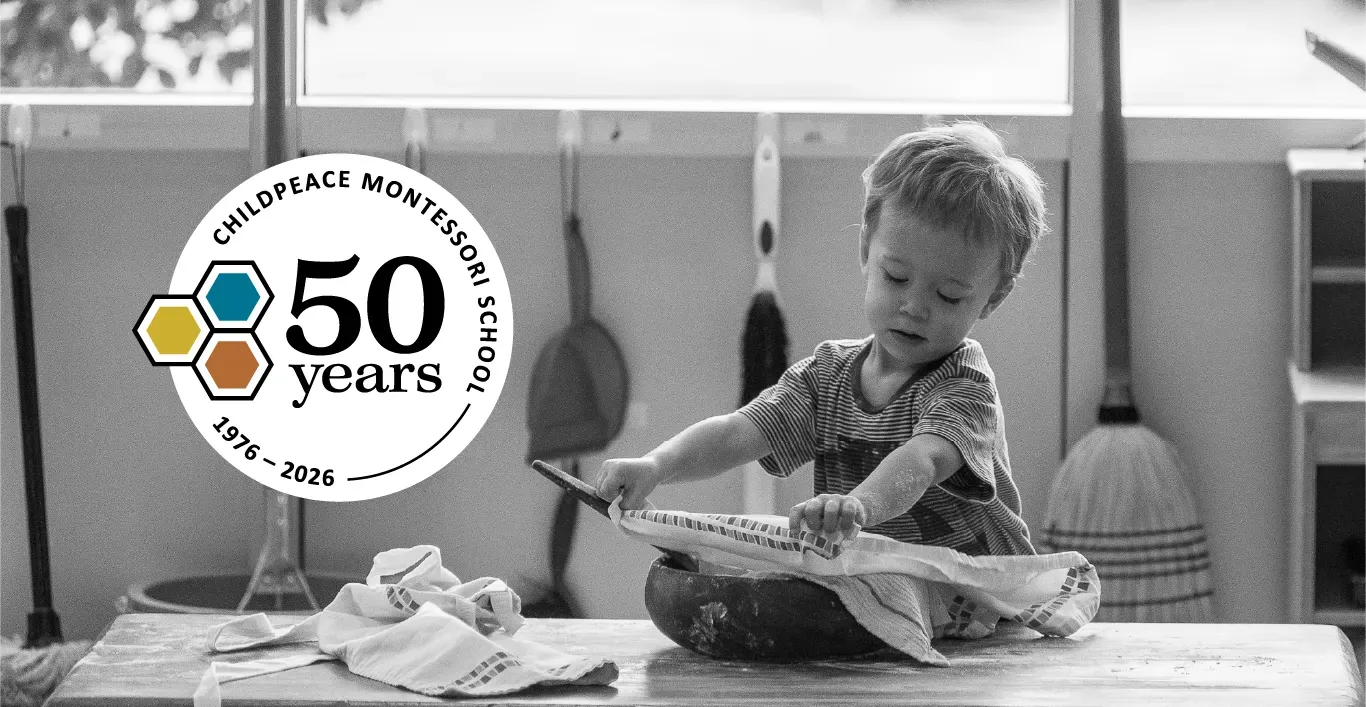
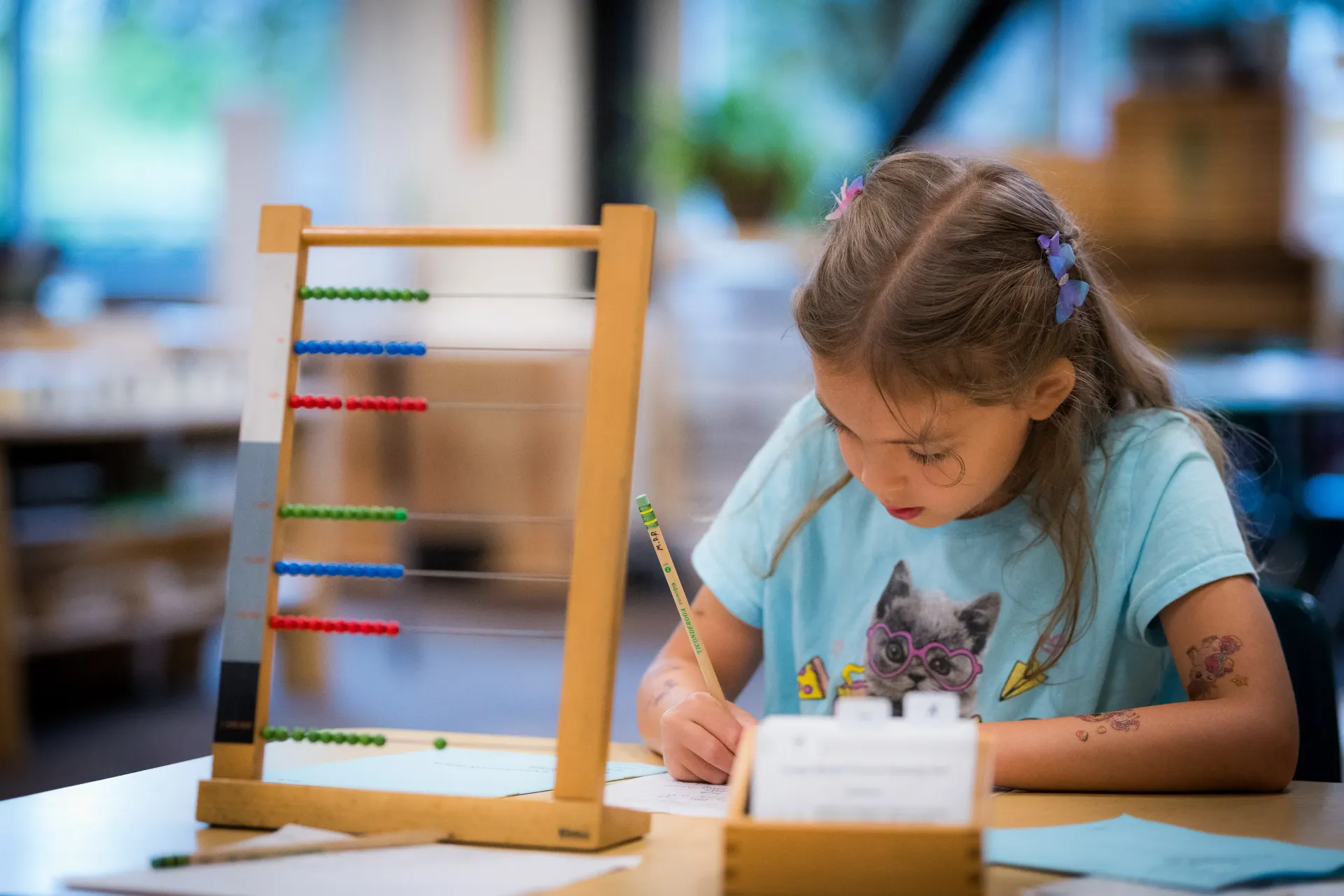
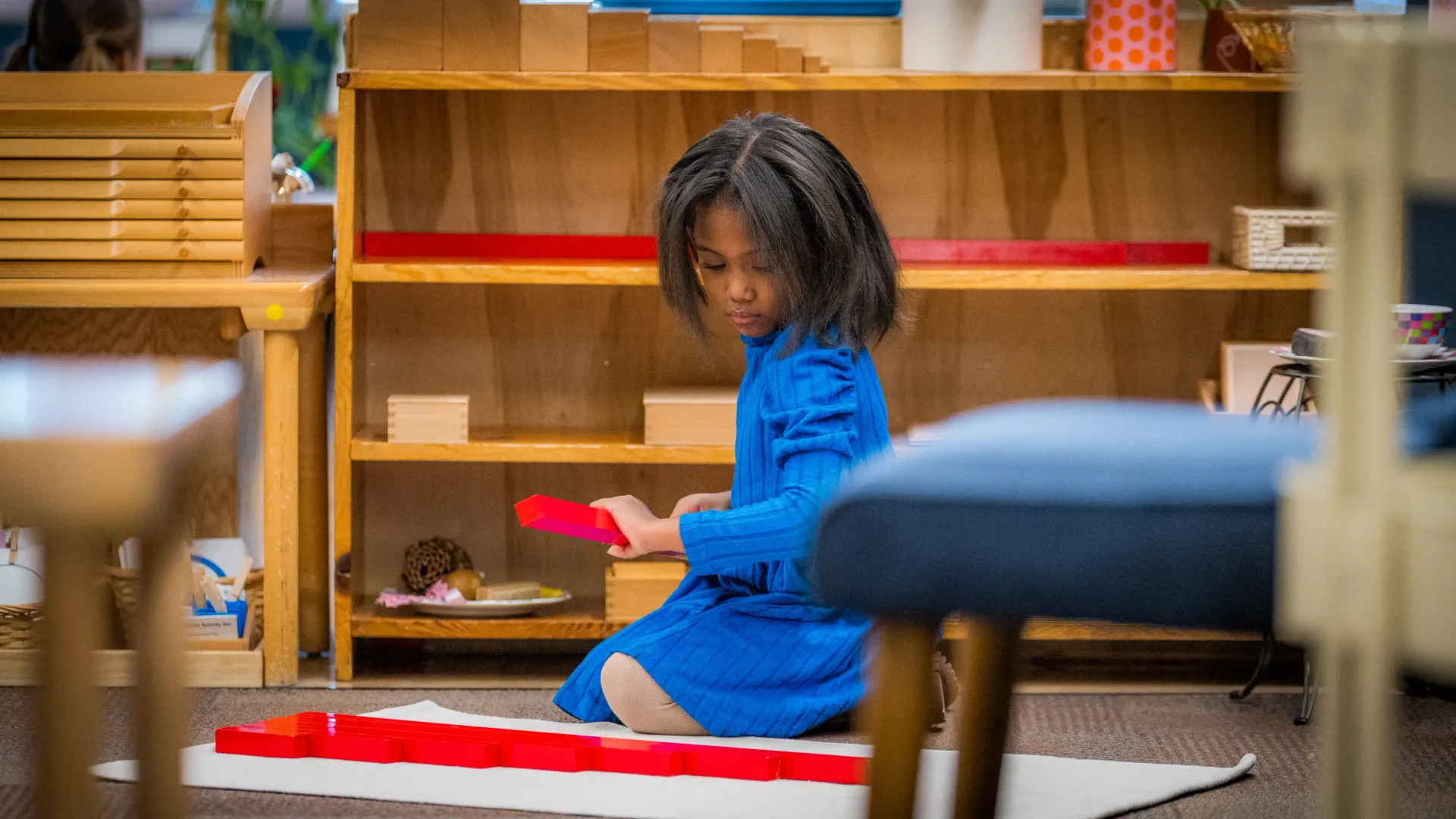
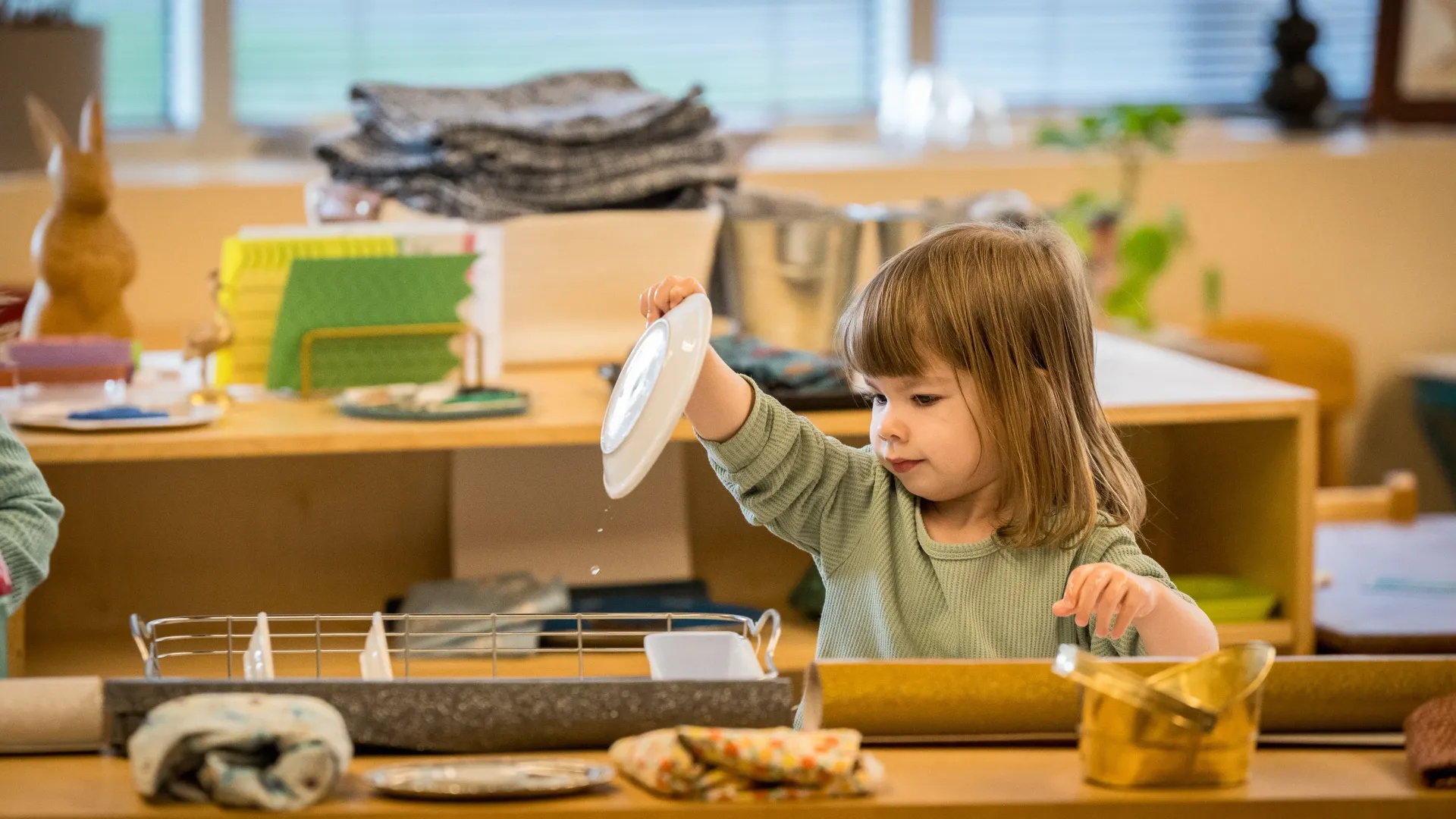
"Kids have to be taught that there is so much gratification in learning by experience," Janet reflects. "It’s about moving your body, working with your hands, experiencing something in three dimensions, and letting your brain think things through slowly. Technology moves so fast. Giving children the space to get dirty, throw paint around, write in a journal, and engage directly with the physical world is more essential now than it has ever been."
That exposure to hands-on, authentic learning shaped the childhoods of both Cole and his younger brother, John. “At Childpeace,” Janet shares, “Cole was allowed to be himself. Both boys really thrived.”
For Janet, enrolling her sons at Childpeace also launched a 14-year journey of stewardship that helped transform the School into a permanent urban anchor in the heart of Portland. Shortly after Cole started, long-time Head of School Sue Pritzker approached Janet about joining the Board of Trustees.
“Right away, I was pulled in by Sue,” Janet says. “Somehow, I ended up being chair of the board starting in September of 1998 for about a decade. We grew the school from Kindergarten through 6th grade in bits and pieces.”
That steady expansion culminated in a defining moment for the school in 2002. At the height of the dot-com boom, Childpeace took a bold leap, acquiring an entire city block previously owned by 1-800.com. Working alongside Pritzker and a group of financially savvy board members, Janet was part of a team that structured the creative financing needed to secure the property.
“It was covered in wires, and we thought,
‘We will never need this much space,’” Janet recalls with a laugh.

Moving from a modest footprint on the Park Blocks to what felt like an uncharted area “under the bridge,” some initially questioned the location. But as Portland evolved, the Pearl District flourished right around the campus, cementing Childpeace as a vital piece of the urban footprint.
Beyond helping guide the School through major growth initiatives, Janet brought a deep commitment to sustainable governance and community life. As Janet and her family gradually settled in, Childpeace became a primary social and civic anchor.
“It feels like a lifetime ago that I was there, but it was super impactful to my life in Portland because I met so many people through it,” Janet shares. “It drew a wonderful community together, and many of those parents are still my really good friends.”
Today, Janet’s sons are grown, with John working as a sommelier in New York, and Cole in technology. But the self-direction, creativity, and tactile appreciation they cultivated at Childpeace remain central to who they are.
“I love this school, and it has been a very important place for my family,” Janet says. “Cole and John's experience in the world was definitely shaped by what they learned at Childpeace.”