Montessori Assessment: How Childpeace Evaluates Student Growth
Measuring Student Progress Through Observation and Strategic Benchmarking
By Barbara Beachley
Across all Childpeace Montessori School programs, teachers (known as Guides) use a thoughtful combination of observation, performance-based assessments, and developmentally appropriate tools to understand each young person as a learner. These tools inform instruction, support individual growth, and ensure students are prepared to transition successfully into new learning environments—within Montessori and beyond.
While specific tools evolve as children grow, our purpose remains constant:
The most important skill we give our children and adolescents is the ability to know what to do when they do not know what to do.
Toddler & Children’s House: The Power of Observation
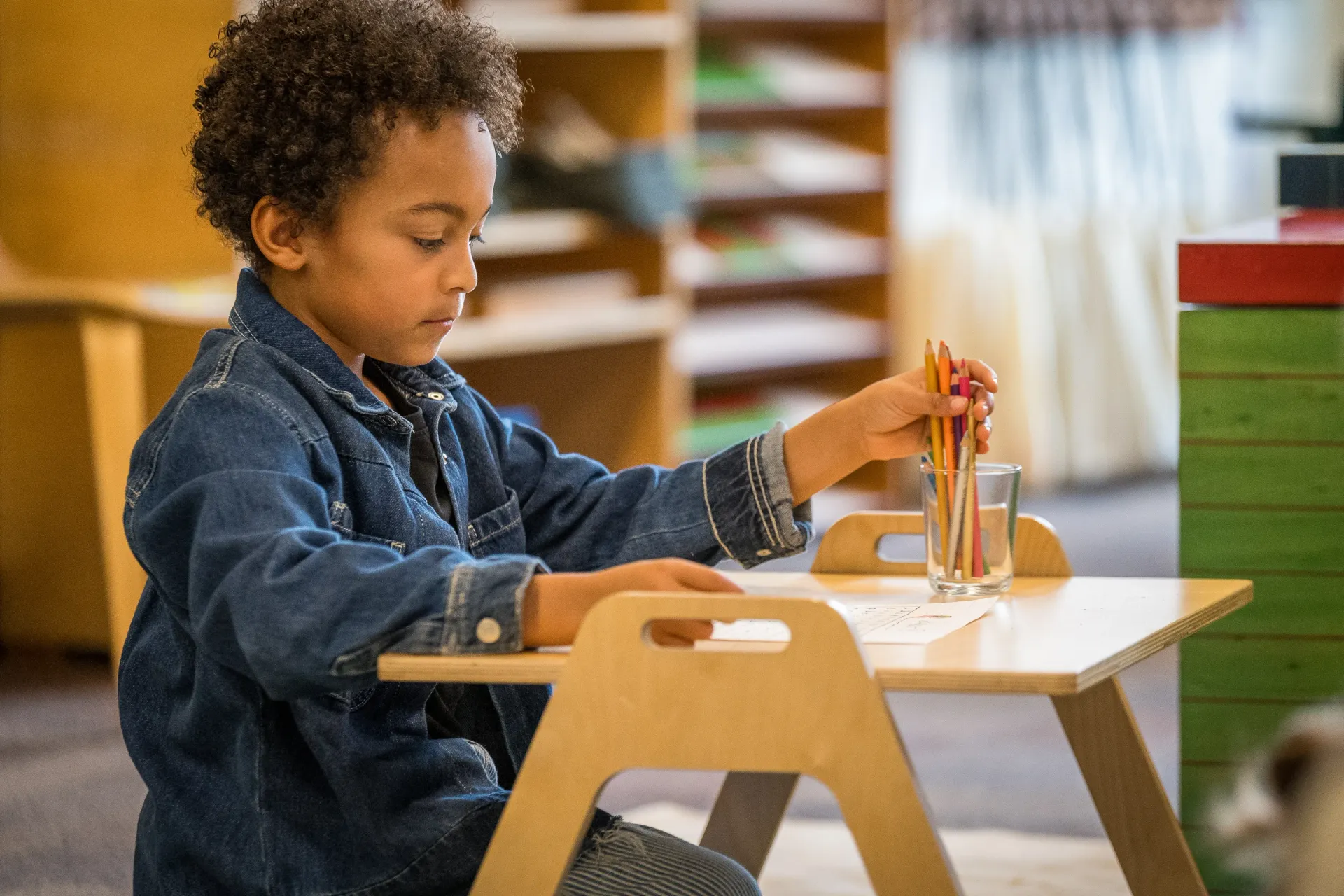
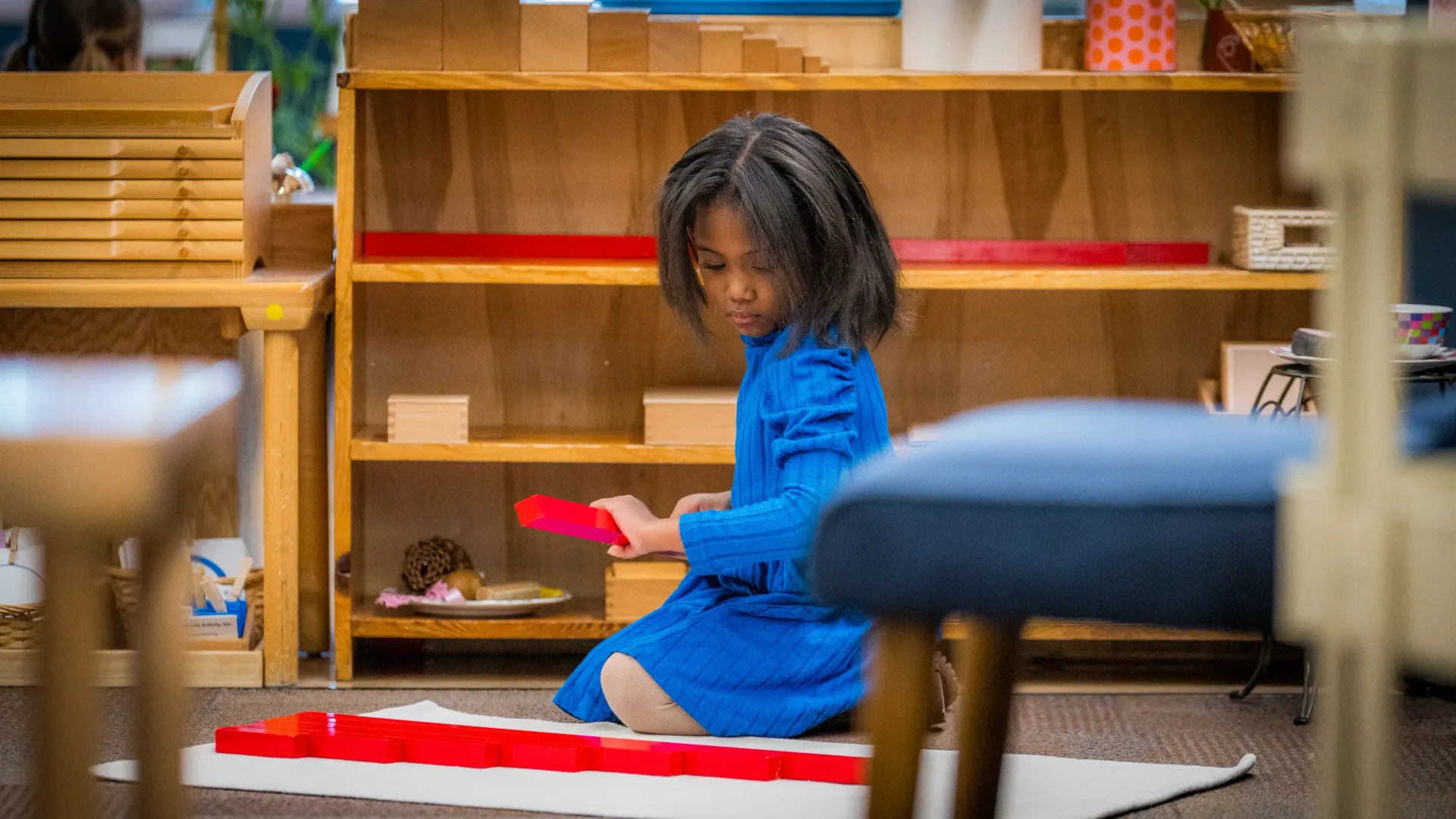
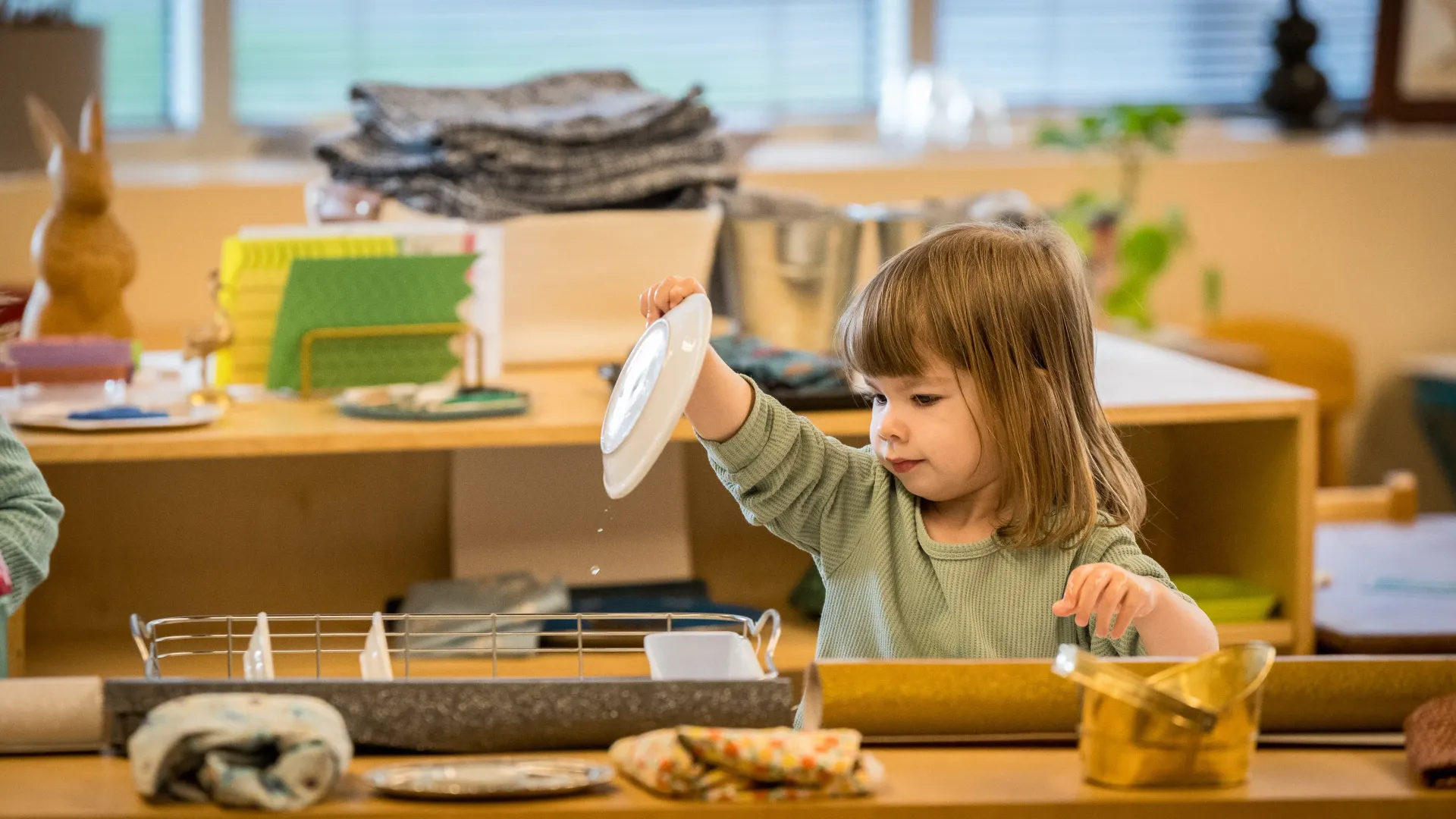
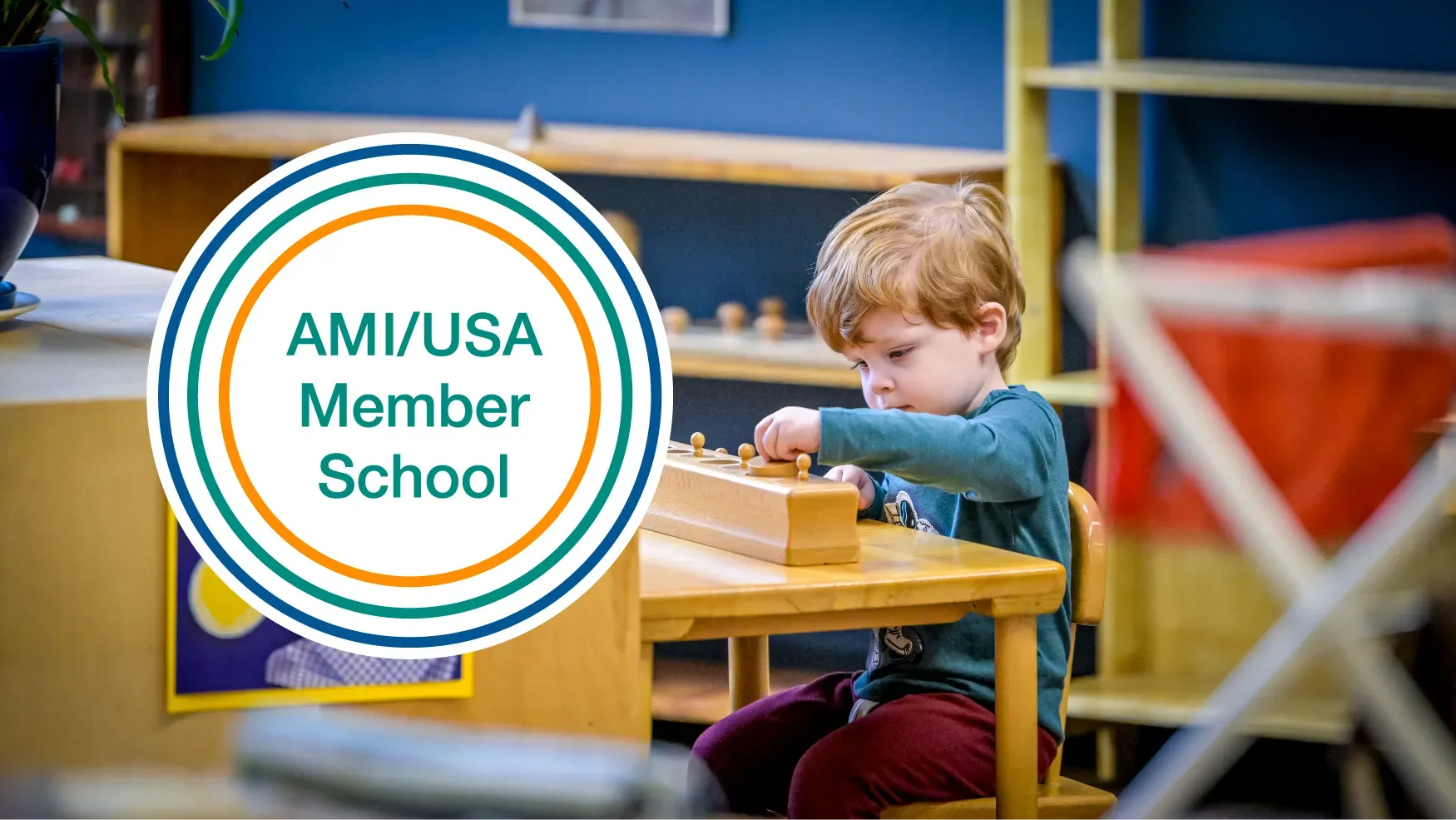
In the early years (Ages 18 months–6 years), assessment is grounded in the Montessori "Work Cycle." Guides observe how children move through the environment, engage with materials, and interact with peers.
Developmental Milestones Tracked:
- Executive Function: Concentration, coordination, and persistence.
- Social-Emotional Growth: Self-regulation and empathy.
- Summary of Observations: At age 6, families receive a narrative-based summary describing how their child approaches learning—a vital tool for the transition to Elementary.
Elementary: Literacy Screening & Standardized Testing
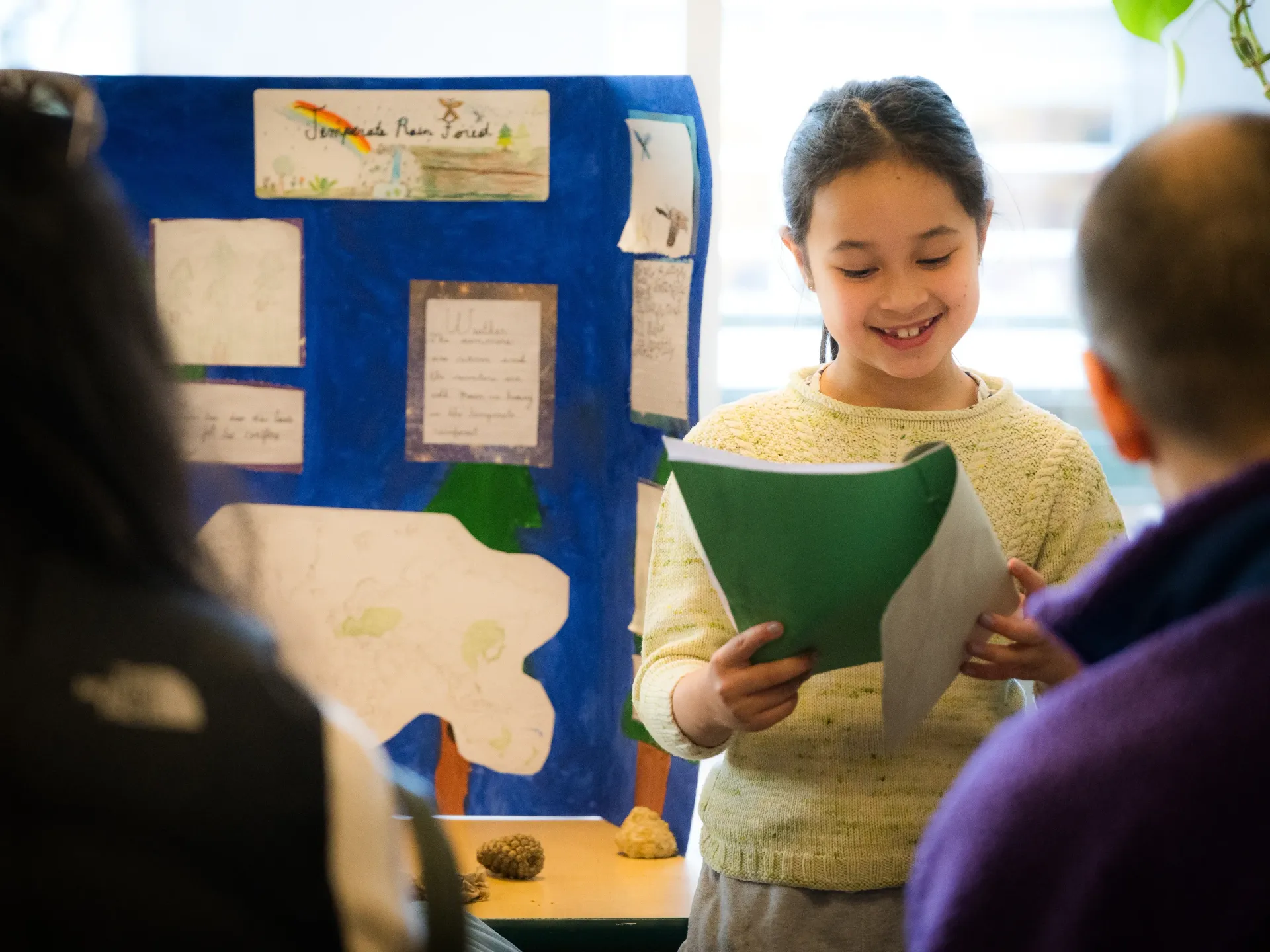
As students enter the second plane of development (Grades 1–6), we introduce objective benchmarking to support their academic journey.
- Science of Reading & DIBELS: In Lower Elementary, we use DIBELS (Dynamic Indicators of Basic Early Literacy Skills) to monitor foundational reading. This ensures early identification of challenges like dyslexia, allowing for evidence-based support.
- Stanford 10 (5th Grade): To prepare for the transition to middle school, 5th graders take the Stanford 10. This is not a "pass/fail" test; it is a tool to help students practice time management and perseverance in a formal testing format.
Metro Middle School: High School Readiness & Transcripts
In the adolescent years, assessment increasingly reflects the expectations students will encounter in high school.
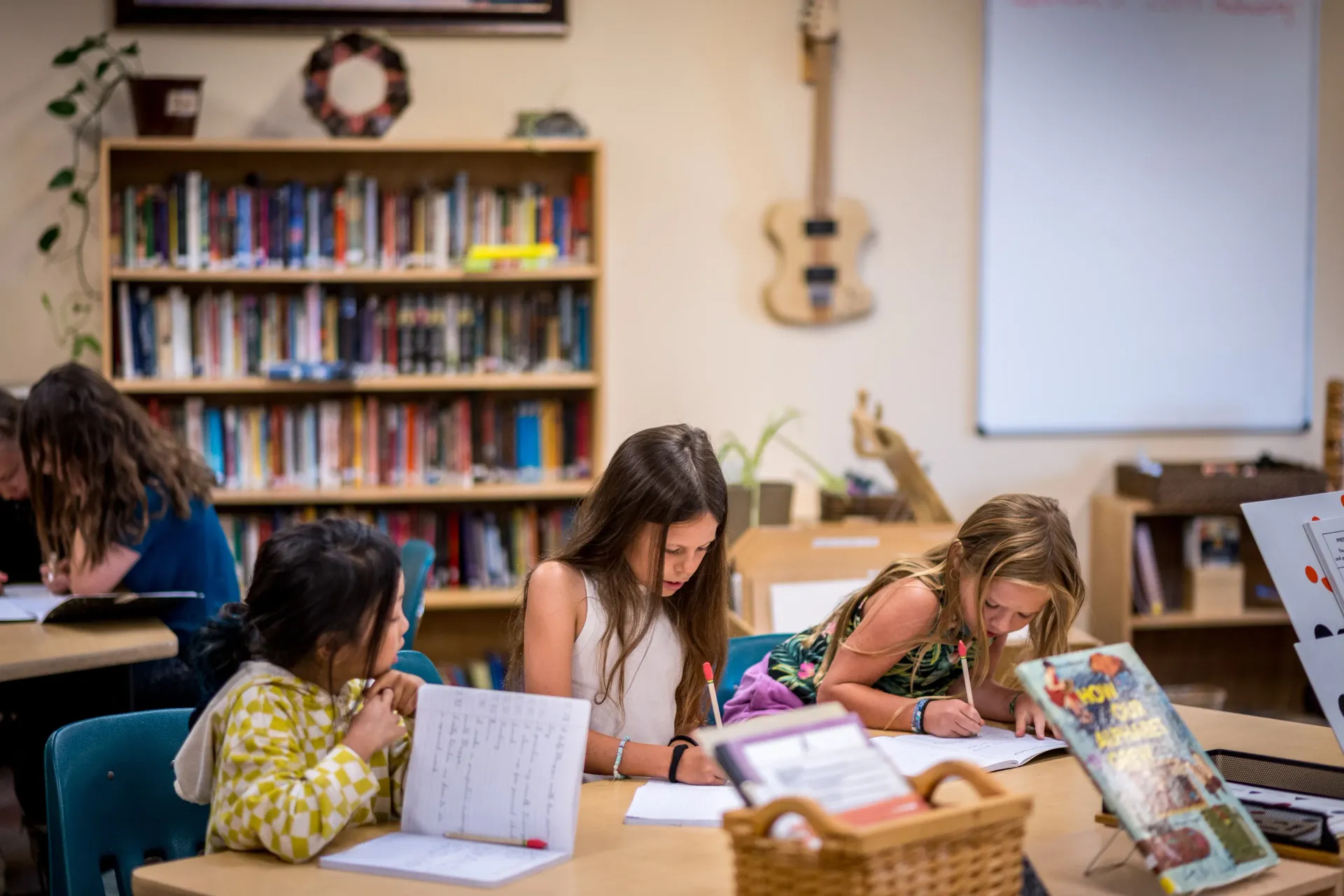
- i-Ready Mathematics: Administered three times per year to measure growth and guide instructional planning.
- High School Skills Class: Our 8th-grade students participate in a specialized curriculum that teaches them how to calculate percentages, translate Montessori work into standard letter grades, and approach timed essays.
By the time our students graduate, they possess the self-knowledge to advocate for their needs in any high school setting, from local public schools to premier independent schools.
FAQ
Q: Do Montessori students take standardized tests?
A: Yes. At Childpeace, 5th-grade students take the Stanford 10 to gain experience with testing formats, and Middle School students use i-Ready for math diagnostics. These tools are used to support student growth.
Q: How do Montessori schools provide transcripts for high school?
A: In the 8th-grade Metro program, students learn to translate their project-based work into traditional grades. Childpeace provides comprehensive records that help admissions officers understand the student’s high level of academic readiness and personal attributes.
Q: How is progress tracked if there are no letter grades for younger students?
A: We use a "Summary of Observations." This narrative report uses descriptors such as
emerging, developing, and
well-established
to provide parents with a deep, qualitative understanding of their child's cognitive and social development.