Moments of Belonging: A Space to Grow
Moments of Belonging: A Space to Grow
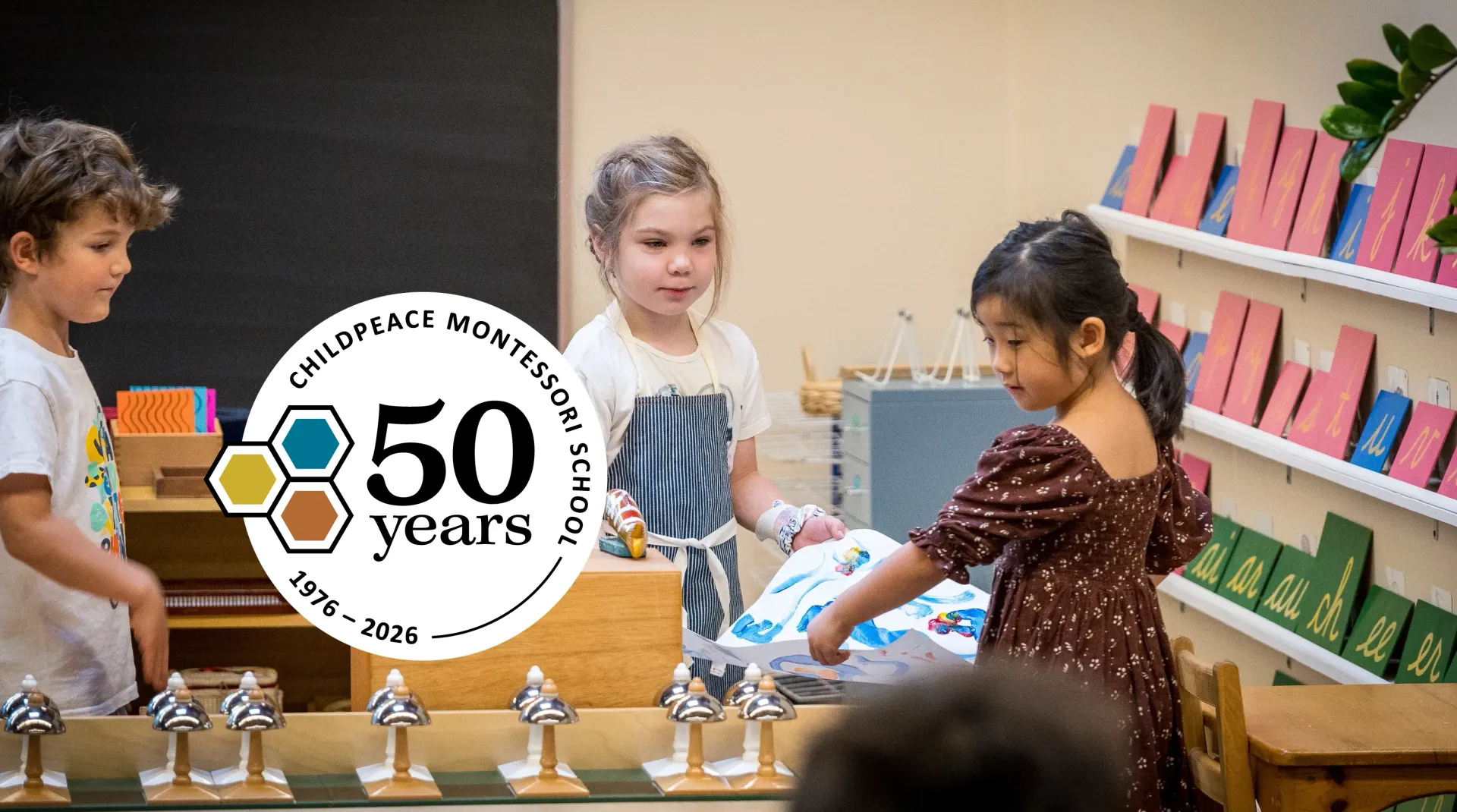
As Childpeace celebrates 50 years, we are reflecting on five decades of educators, students, and families who have shaped our community since 1976. This story is part of our Stories of Belonging project, highlighting how we help children belong to themselves, to others, and to their community.
Follow this link to share a story of your own!
For Jane Anne Morton, Childpeace has been a thread in her family’s life for more than a decade. Her parents have rented green space to the school for years, and when her father first saw the program in action, he was unequivocal: "This is the place. This is where you want the boys to be."
Now, with two sons who journeyed from the Toddler Community through 5th Grade, Jane Anne sees exactly why her father was so insistent.
Beginnings of Independence
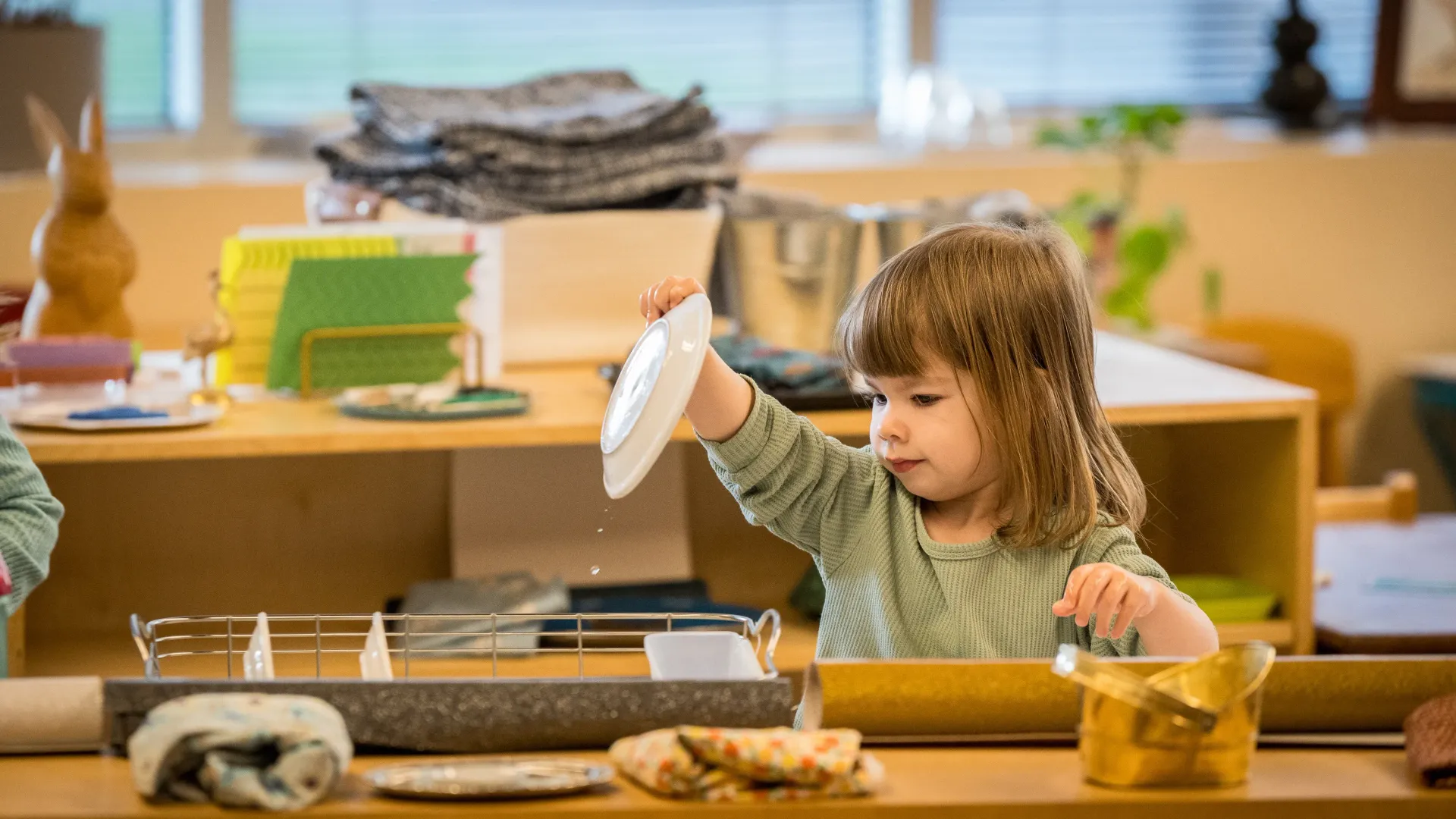
That journey began in the Toddler classroom with Jennifer, a guide Jane Anne describes as a "phenomenal ambassador" for the school. It was here that the foundation of independence was laid — sometimes in ways as practical as potty training, and other times in ways as profound as a two-year-old insisting on making the rolls for lunch every single day.
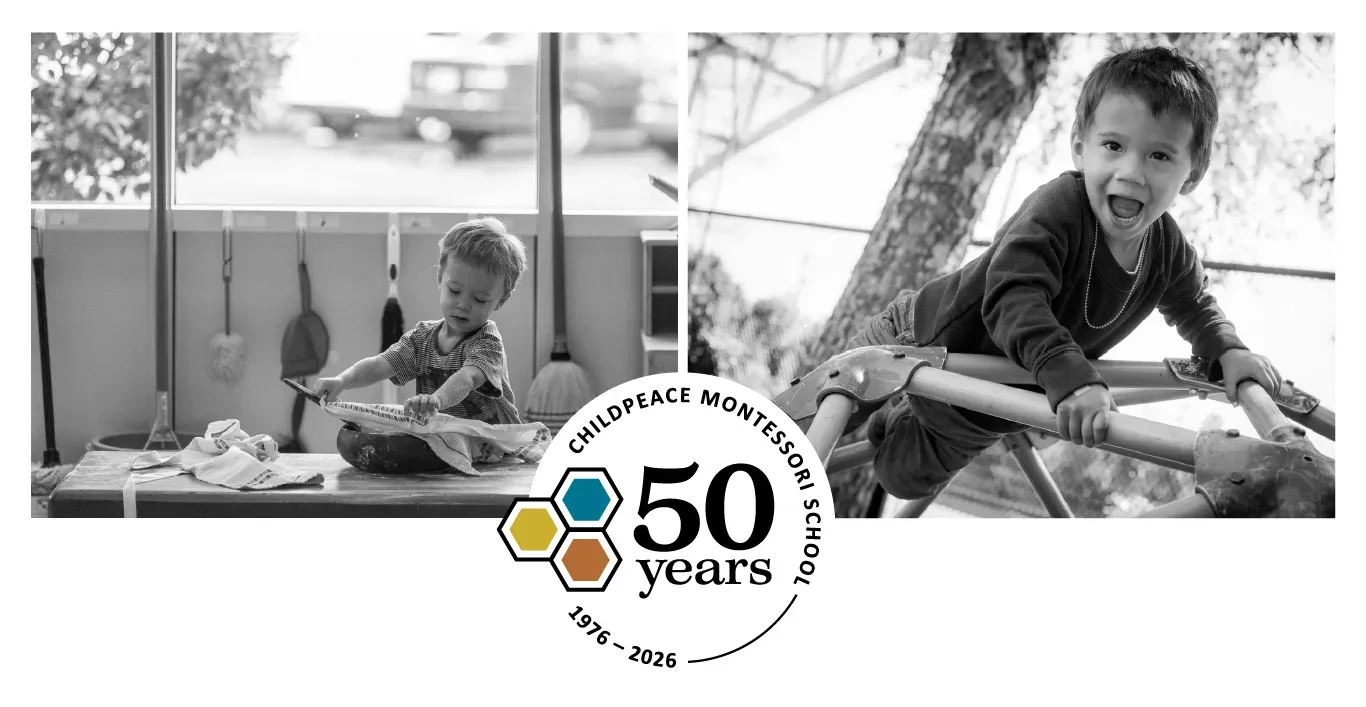
"I still have a picture on my wall of my oldest in the Toddler Community," Jane Anne says. "He’s two years old, lovingly laying a cloth over the rolls to rise. Seeing the confidence and care that children are shown — to care for themselves and their community — is such a cool thing to witness."
Freedom of Inquiry
As the boys moved into Elementary, that early independence evolved into a specific type of academic agency. Jane Anne notes that at Childpeace, knowledge is "sought, discovered, and acquired" rather than passively received.
"I notice a difference between my own education and theirs," she reflects. "My kids are 'unleashed' rather than heavily curated. There is a freedom to how they look for and acquire information. It’s the difference between being passively handed something and owning the learning because you figured out the steps yourself."
She recalls the "hard but interesting" experience of training to be a trip chaperone, in which parents are taught to let children navigate, even if they take a wrong turn. "You have to let them figure out that the odd numbers are on one side of the street and even on the other. It’s hard to sit back, but that’s when the knowledge truly becomes theirs."
A Place for Every Learner
One of the most moving aspects of Jane Anne’s story is how Childpeace supported her sons’ unique learning styles. Both boys are active learners, but because of the Montessori environment, those traits weren't framed as "problems" to be managed.
"Childpeace always made it so they felt they had a place in the classroom," Jane Anne says. "Before their need to move was ever pointed out to them, they were given the confidence to feel like they belonged in a learning space."
By providing an environment where movement is integrated into work, the school protected the boys’ innate confidence. "They have this belief that 'learning spaces are for me.' That’s one of the biggest gifts the school has given them."
Breaking Down Social Barriers
Now that her children are in 7th and 5th Grade, Jane Anne sees how that early foundation of "community awareness" has translated into their daily lives. Because Childpeace classrooms span multiple ages, her sons have grown up without the artificial social boundaries often found in traditional grade levels.
"I remember growing up feeling like I couldn't be friends with someone if they weren't in my exact grade," Jane Anne reflects. "My kids don't have that barrier. If we’re at a party, they are incredibly comfortable talking to all age groups. They’ll see a younger child who is interested in what they’re doing and naturally find a way to include them. They see others as collaborators rather than seeing them through the lens of age or competition."
As she reflects on their time at the School, Jane Anne is confident that among the "Childpeace traits" they will carry forward is collaboration. "Teamwork is second nature to them. They know how to find information, they know how to work together, and most importantly, they know they belong."