Beyond the Myths: The Developmental Science of the Montessori Method
Looking Beyond Montessori Myths
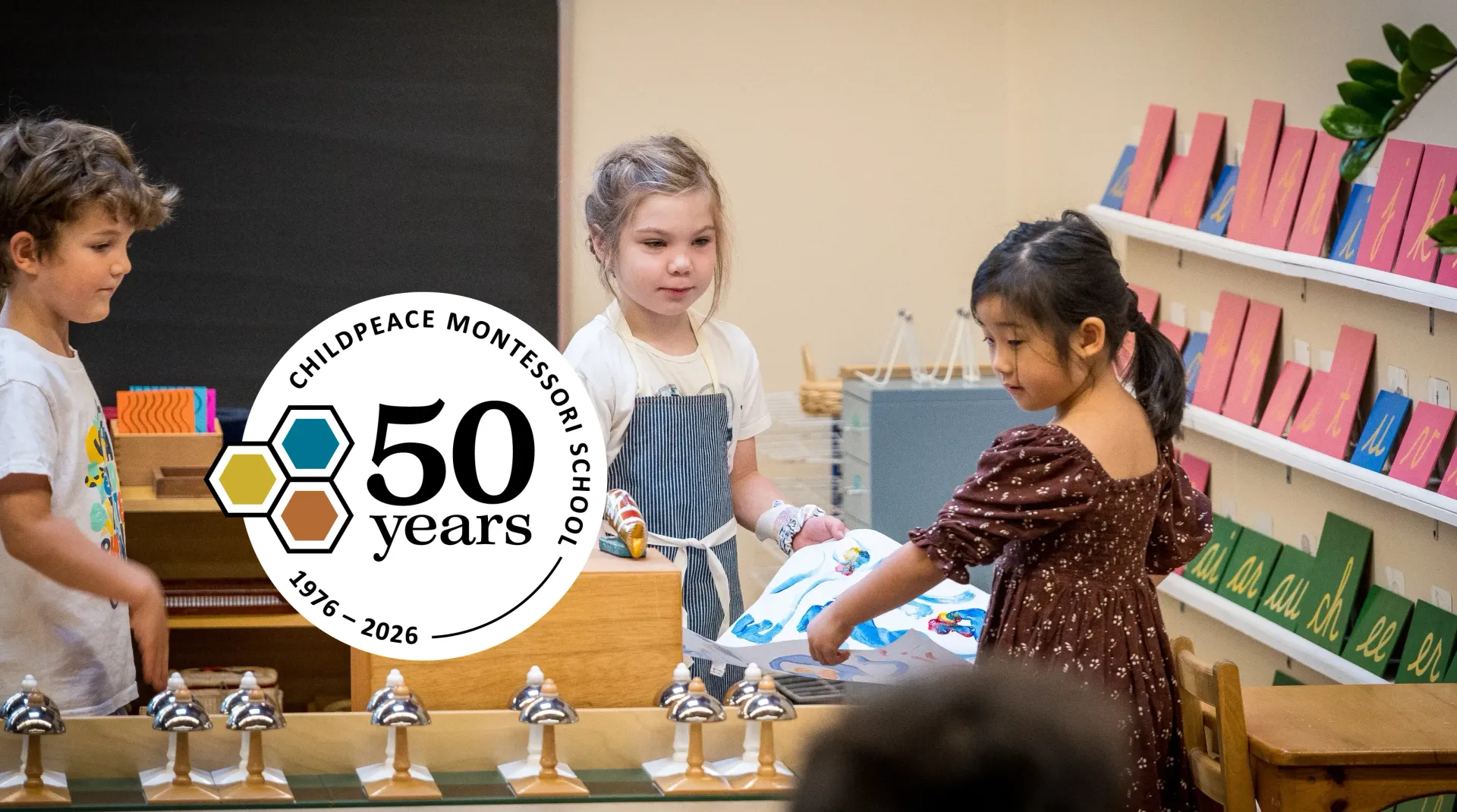
At Childpeace Montessori School, we have spent 50 years perfecting an environment where children are truly seen as capable, independent beings. Because the Montessori approach looks so different from traditional schooling, it often invites curious questions about how such a unique model produces such confident results.
By looking past the common misconceptions, we can see the deep intentionality and scientific research that drive every choice we make in the classroom. Here are five of the most common Montessori myths, debunked.
1. The Purpose of Choice
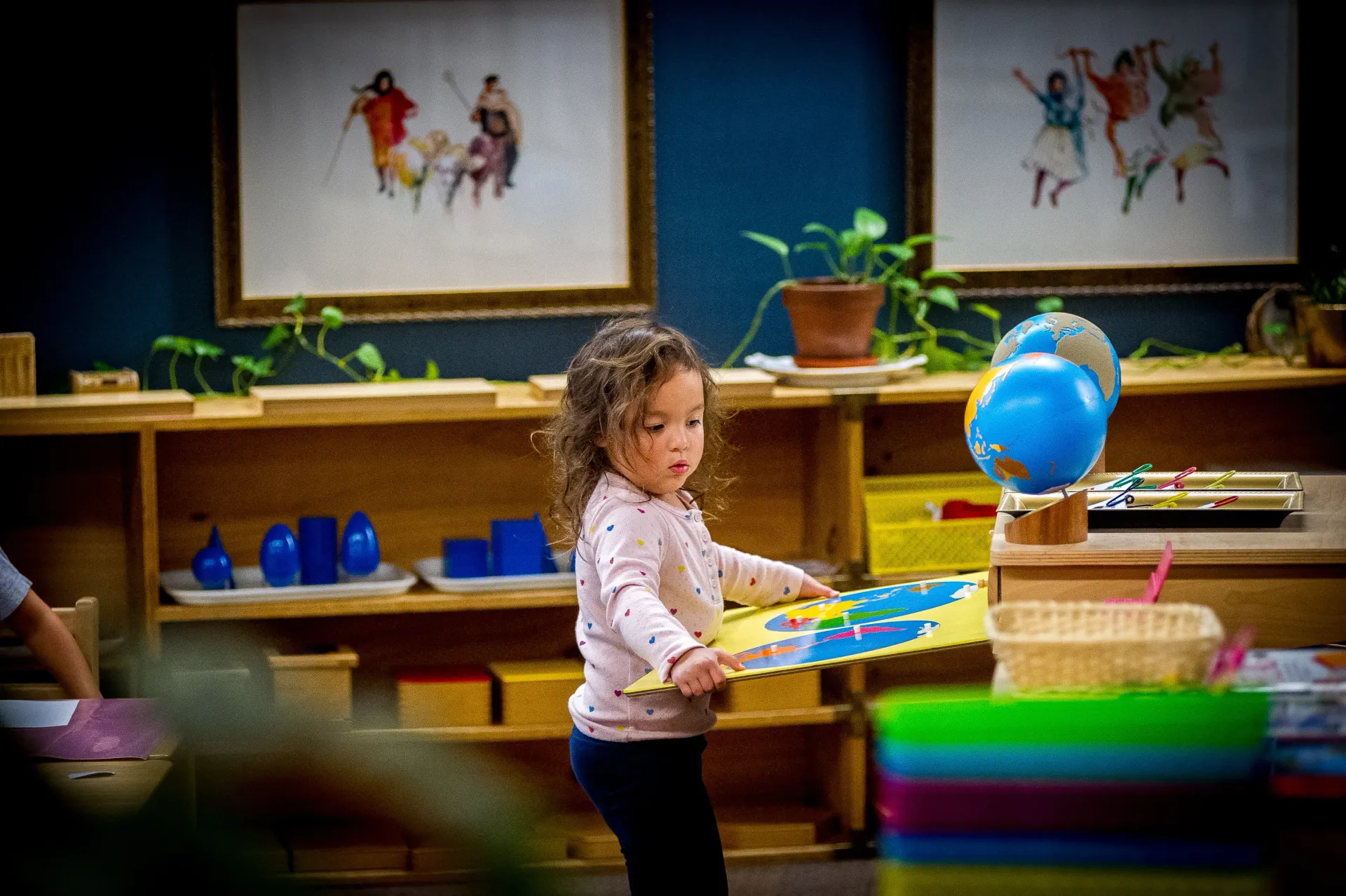
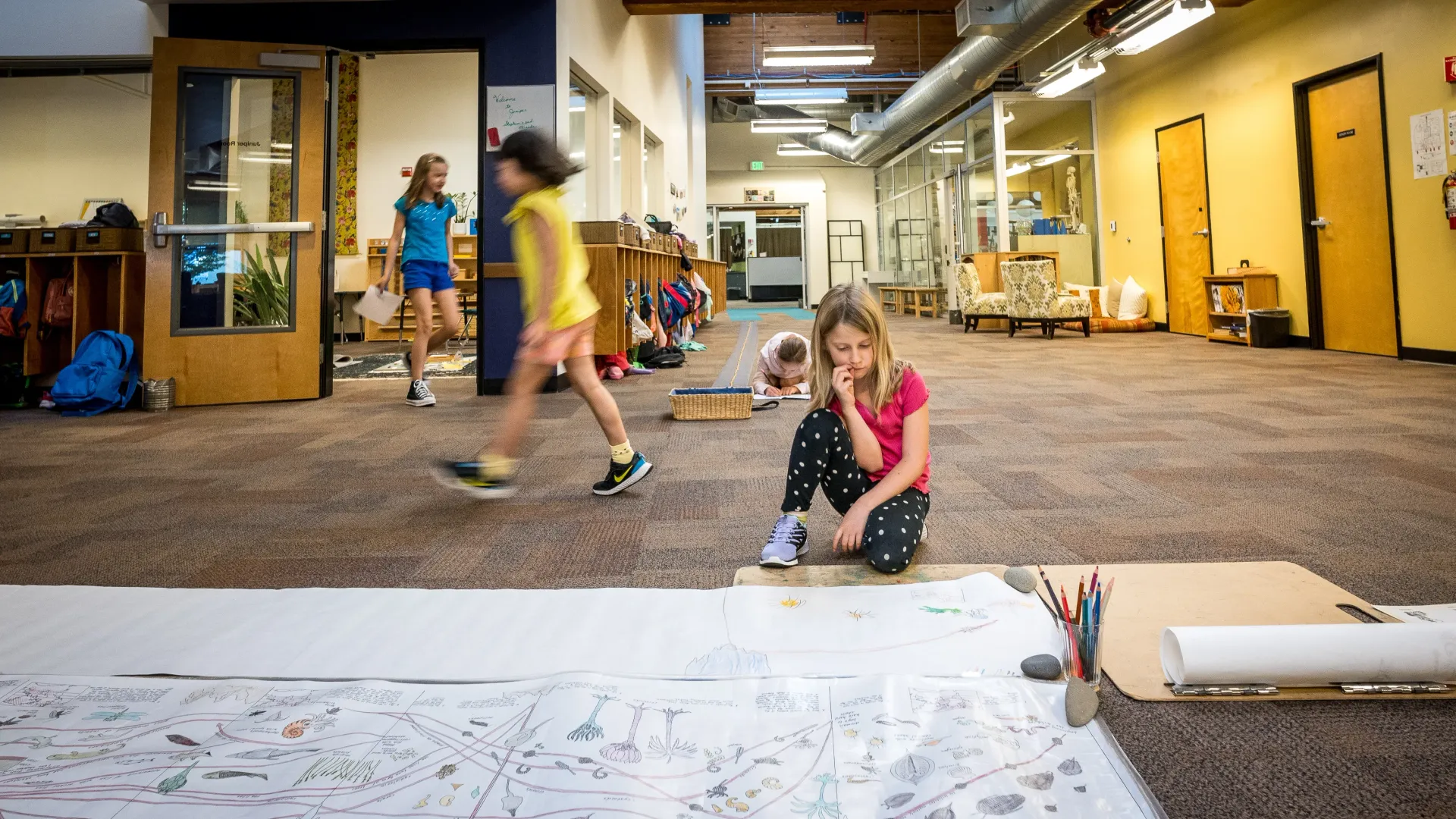
One of the first things a visitor notices is children moving through the room, choosing their own work. This isn't a lack of direction; it is a sophisticated design for
Executive Function. By allowing students to select work they have been introduced to, we are training their brains to plan, initiate, and sustain focus. This internal drive creates a learner who doesn't wait to be told what to do, but knows how to find what needs to be done.
2. Structure Within the Space
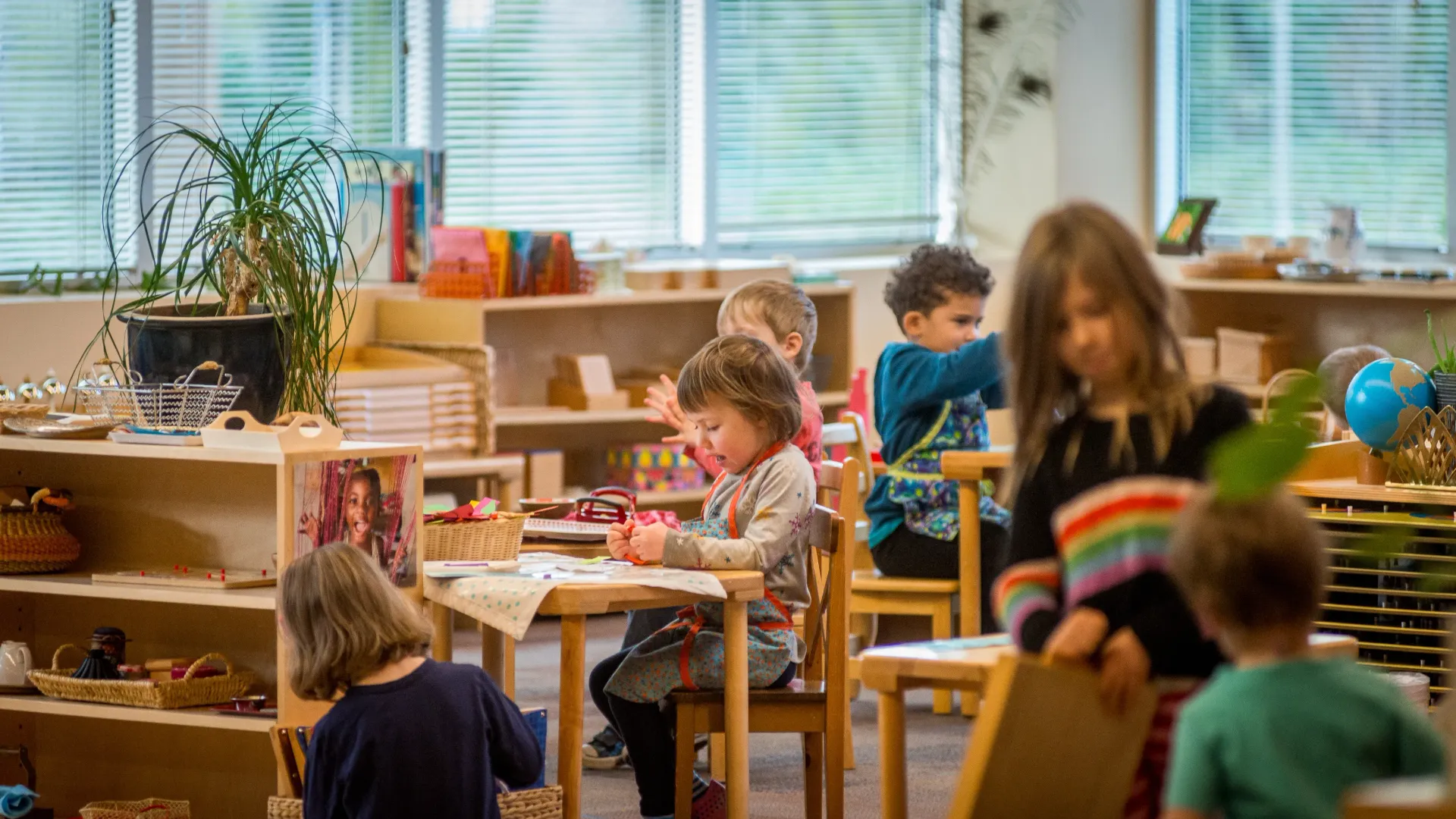
Traditional classrooms often rely on a teacher to provide the structure. In a Montessori environment, the structure is in the space itself. Our "Prepared Environment" is meticulously organized so that the logic of the room guides the child’s behavior. This allows children to develop self-discipline—a far more enduring skill than simple compliance—as they learn to respect their own concentration and their peers' work.
3. The Depth of Academic Challenge
Because we prioritize deep engagement over rote memorization, it can be easy to miss the high level of academic work happening at every table. By using concrete materials to "touch" abstract concepts—like using the Binomial Cube to visualize algebraic formulas—students achieve a level of conceptual mastery that goes far deeper than memorizing a formula for a test. They aren't just learning "what"; they are learning "why."
4. A Community of Mentors
Our mixed-age classrooms are often mistaken for "split levels," but they are actually a natural micro-society. This design allows for a constant cycle of mentorship. Older students solidify their mastery by teaching, while younger students are inspired by their peers. This builds social-emotional intelligence and collaborative leadership that define the Childpeace graduate.
5. Preparation for a Changing World
The ultimate goal of our developmental arc is to prepare students for the world outside our walls. The "real world" values adaptability, time management, and critical thinking. By the time our 8th graders graduate, they are experts in
self-advocacy. They don't just "fit into" new environments; they have the confidence to lead them.
FAQ
Q: Is Montessori a "play-based" curriculum?
A: Dr. Montessori famously said, "Play is the work of the child." In our classrooms, "work" is a joyful, self-chosen activity that has a clear academic or developmental purpose. It is play with a point.
Q: Why don't Montessori students have desks?
A: Movement is essential to learning. Research shows that being "bolted" to a chair can actually hinder cognitive development. We use floor mats and communal tables to allow for the movement the brain needs to stay focused and engaged.
Q: Does Montessori work for all types of learners?
A:
Because the curriculum is individualized, it is exceptionally effective for a wide range of neurodiverse learners. Each child follows their own developmental path, ensuring they are always challenged but never overwhelmed.