Inside the Metro Montessori School Micro-Economy
Inside the Metro Montessori School Micro-Economy
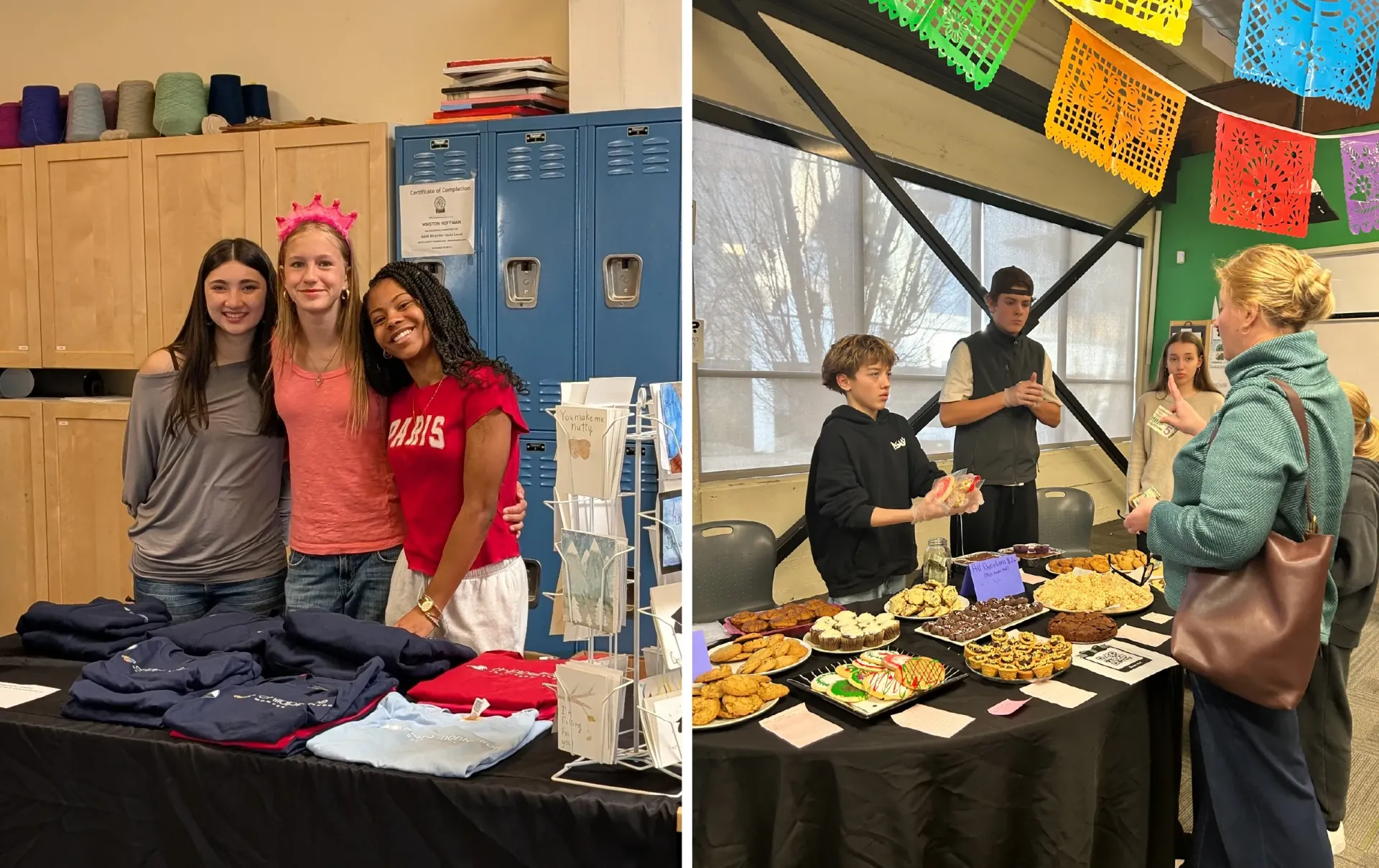
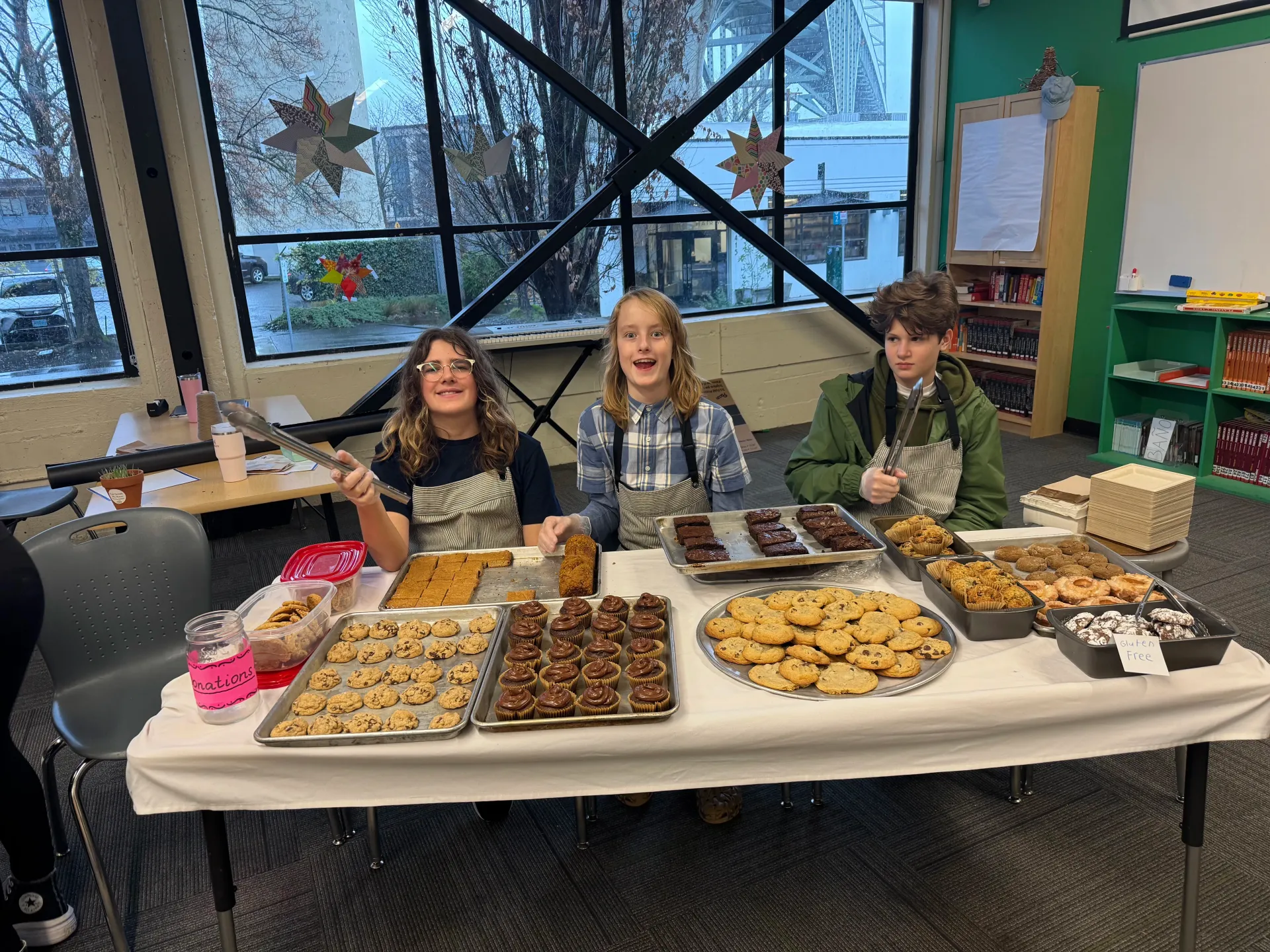
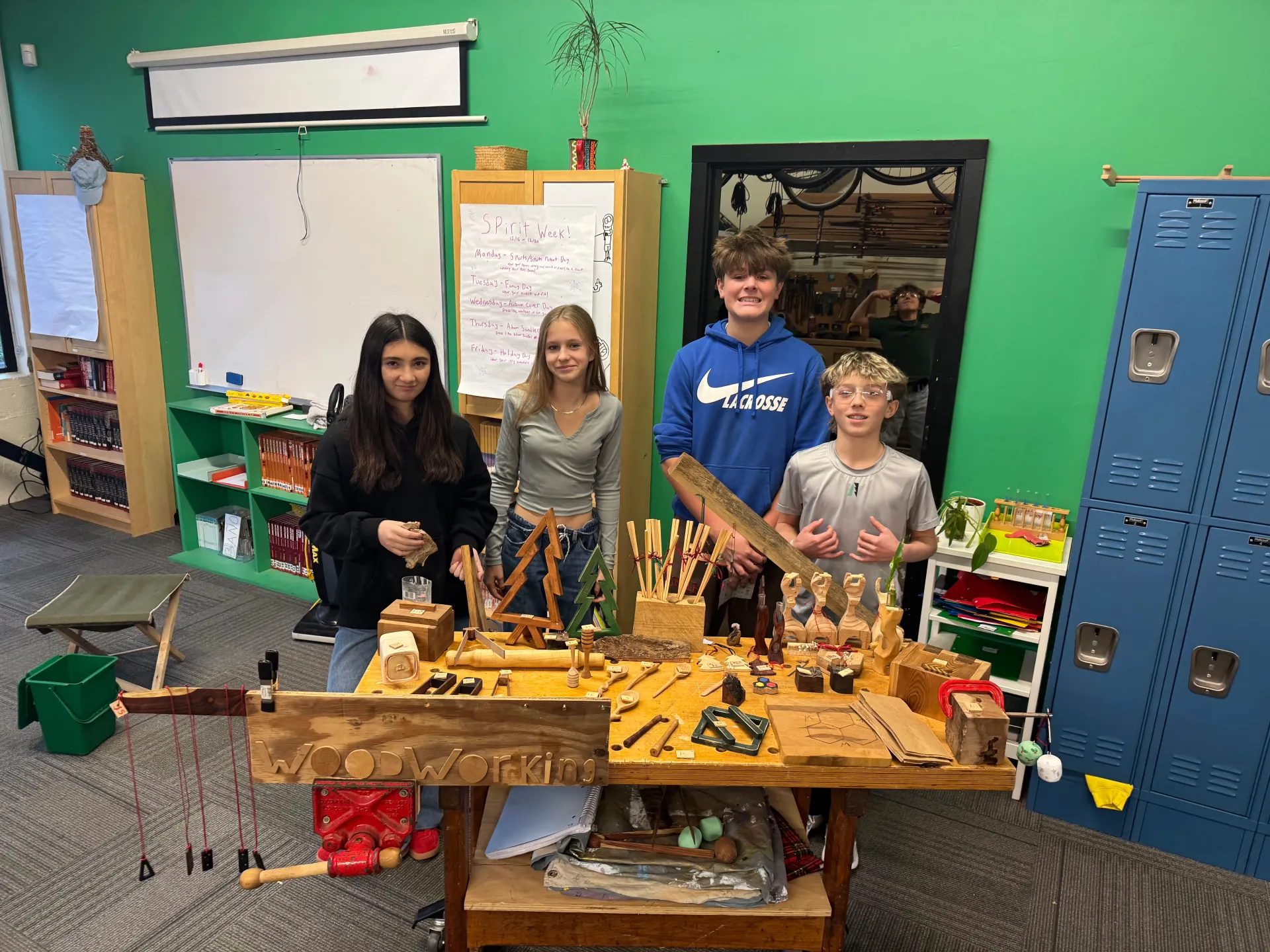
Step into the Metro Montessori Middle School building during a sale day, and you’ll find a scene that looks less like a classroom and more like a professional marketplace. From handmade ceramics and photographic prints to textile arts and fresh-baked goods, the micro-economy is a hallmark of the Metro experience, a tradition that has empowered students since the Middle School opened its doors in 2009.
While these sales are community favorites, the project is more than an academic exercise. It is a practical bridge to adulthood, giving students the opportunity to step out of the role of student and into that of entrepreneur, testing their skills in a marketplace that offers real-world feedback.
From Seed Money to Market Analysis
The micro-economy process starts long before a product is brought to market. Every Metro student joins a business group based on their interests, ranging from traditional woodshop and baking to fiber arts and pottery.
Each group is then given $100 in "seed money" to start their venture. From there, the students are in the driver's seat, managing the full lifecycle of their business:
- Sourcing Materials: Students learn to research suppliers and negotiate costs. In one recent project, a ceramics group successfully secured a 20% student discount at a local shop to keep their production costs down.
- Team Dynamics: Working in groups of 5–10, adolescents must navigate leadership roles, consensus-building, and collaborative problem-solving when running a collective enterprise.
- Analyzing Results: After a sale, the work continues. Groups perform a profit-and-loss analysis to determine how to reinvest their earnings in the business for the next cycle.
The Market as the Guide
In a traditional classroom, a teacher usually provides feedback on whether the work is "correct." In the micro-economy, the market is the Guide. As Metro Middle School Program Director Chara Stamp explains, this is where the most profound learning happens:
"It’s the closest we get to real-life experience. Students see a project through multiple steps that involve the possibility of failure, but also the possibility of adaptation. Sometimes, a project you spent a lot of time on isn't a hit in the market. What do you take away from that? Hopefully, it’s resilience and the opportunity to rethink something in a safe space."
A Project with a Greater Purpose
As Dr. Maria Montessori once wrote, “Actual experience in this sense fixes the fact, and what was an abstract principle becomes a living truth.” Whether they are baking goods to sell every week or spending a semester mastering the wood lathe, Metro students are learning that work is the essence of social life. They aren't just "playing" at business; they are discovering their own capacity to create, collaborate, and contribute something of value to the world.
FAQ
Q: How often do sales occur?
A:
While some groups, like our bakers, often provide goods weekly, craft and trade groups typically hold major sales twice a year — once in the winter and once in the spring.
Q: Can students switch groups?
A:
Students can change groups mid-year to explore different interests, though many find so much momentum in their projects that they choose to stay with their team for the full year.
Q: What happens to the profit?
A:
The goal is for students to reinvest their profits. They might decide as a group to buy a new specialized tool, higher-quality fabrics, or better ingredients for the next cycle, learning the value of sustainable growth.