What is Social Cohesion in Montessori Education?
The Heart of Community: How Childpeace Montessori School Builds Empathy and Leadership Skills
By Barbara Beachley, Interim Head of School, Childpeace Montessori School
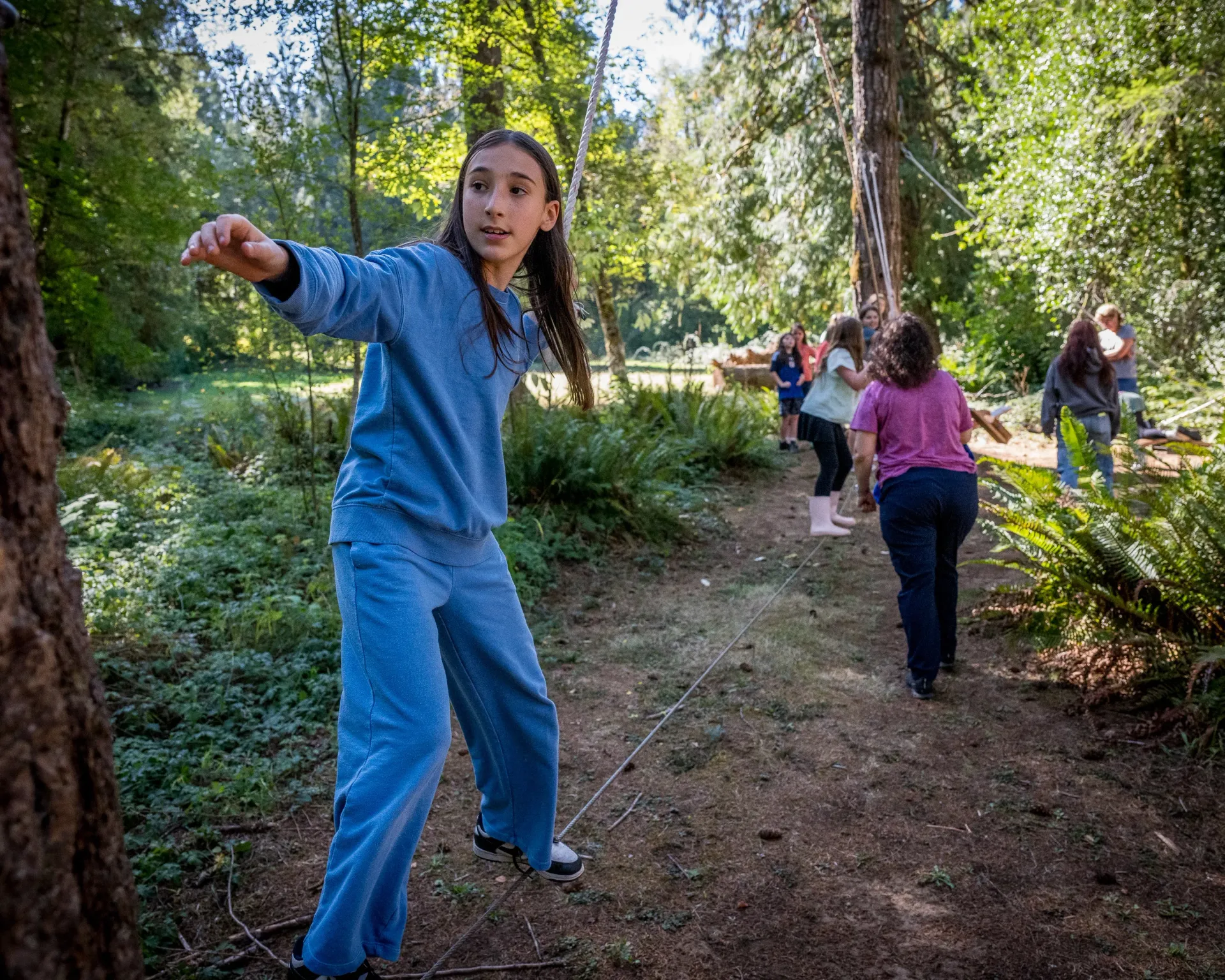
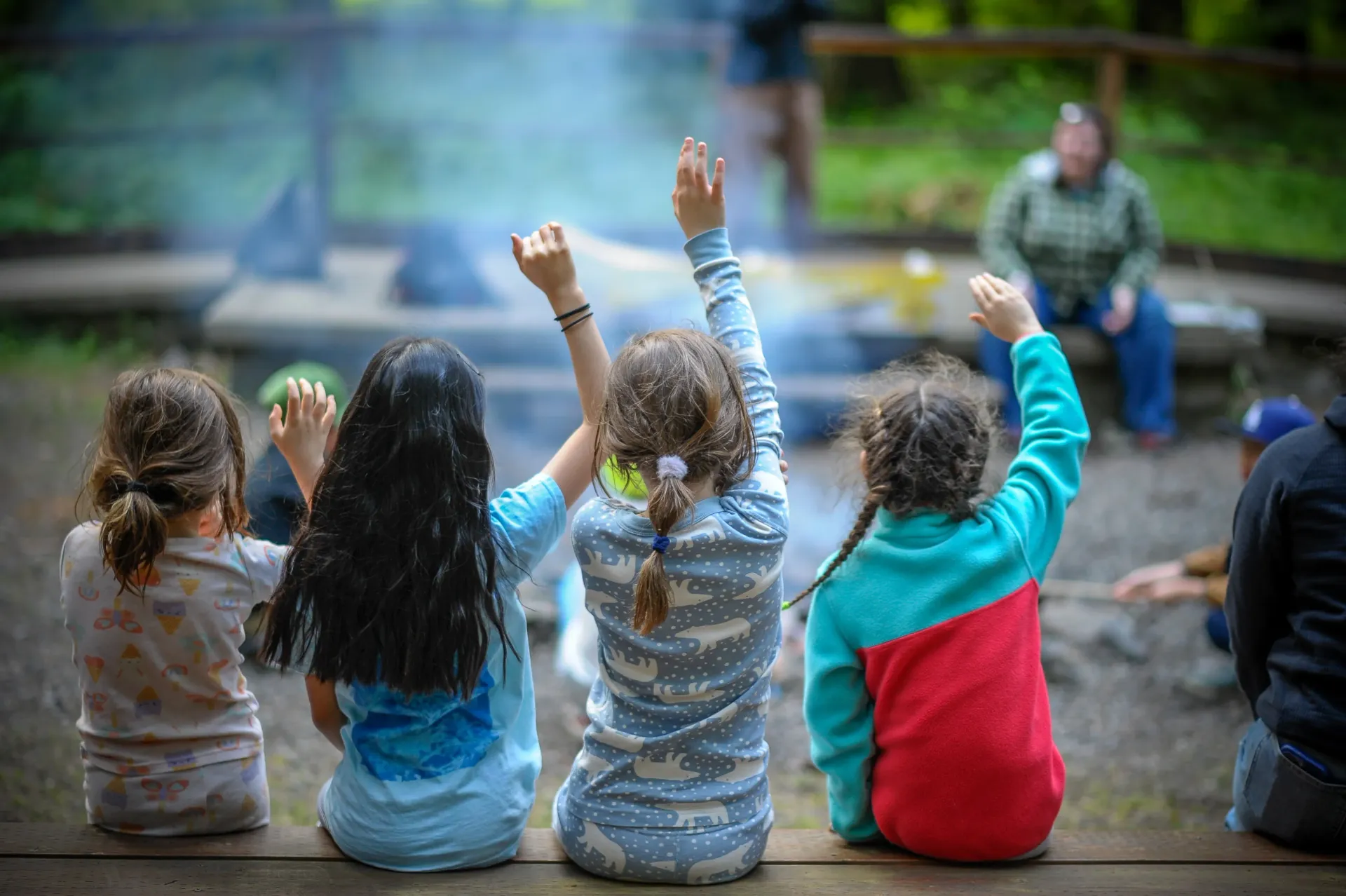
In Montessori philosophy, social cohesion refers to the deep sense of connection that develops when students feel responsibility for one another and the community. Dr. Maria Montessori observed that in a "prepared environment," children naturally develop empathy, cooperation, and leadership.
Unlike most traditional educational settings, Montessori communities encourage children to balance their own needs with those of the group through genuine connection rather than adult-imposed rules.
How Childpeace Montessori School Cultivates Social Cohesion
Our curriculum uses specific Montessori materials and methods to build these essential life skills:
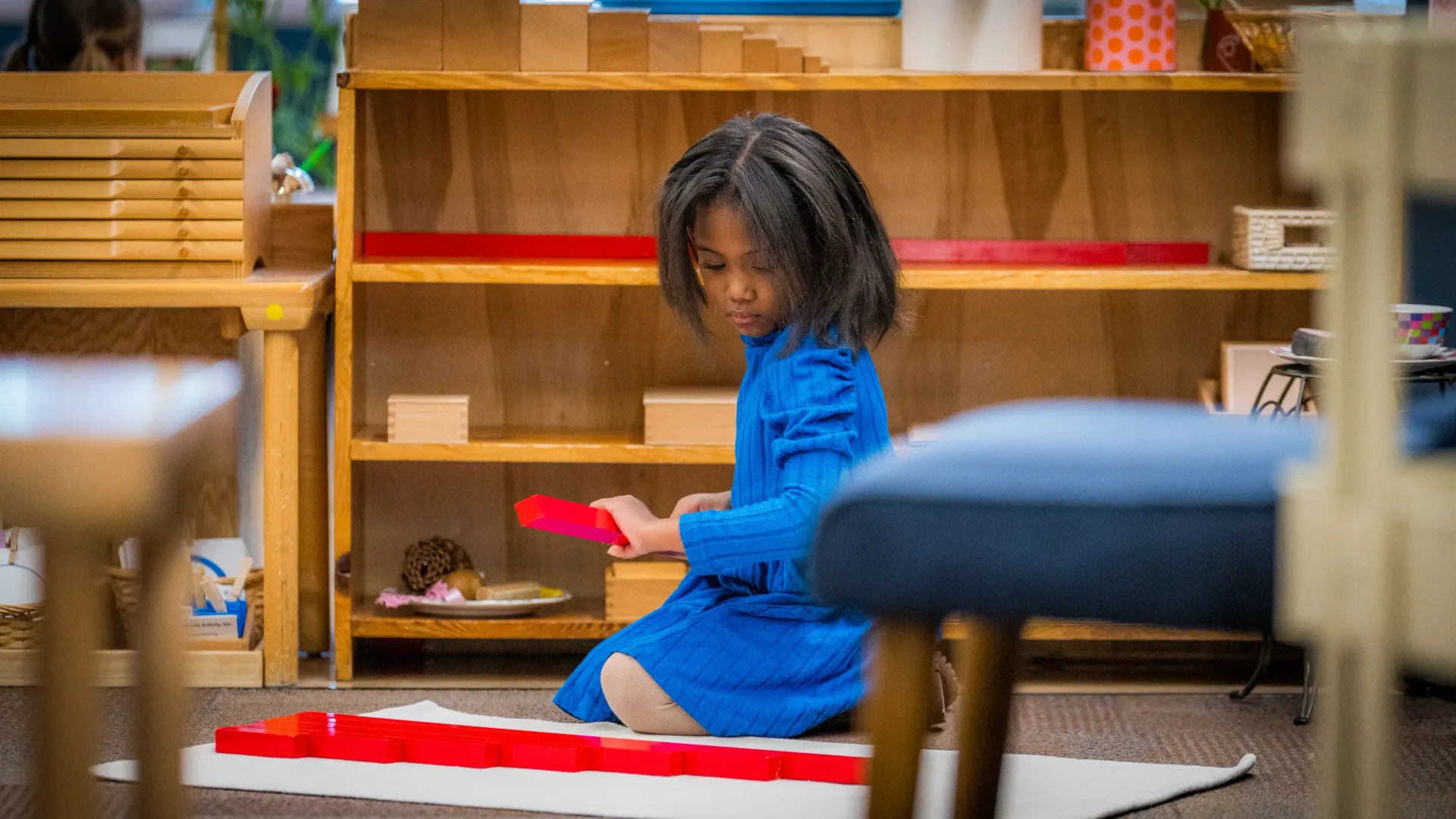
- Mixed-Age Classrooms: We facilitate peer-to-peer learning, where younger children observe their peers and older children practice mentorship and responsibility.
- Grace and Courtesy Lessons: These are explicit instructions in conflict resolution, respectful communication, and active listening—the building blocks of Social-Emotional Learning (SEL).
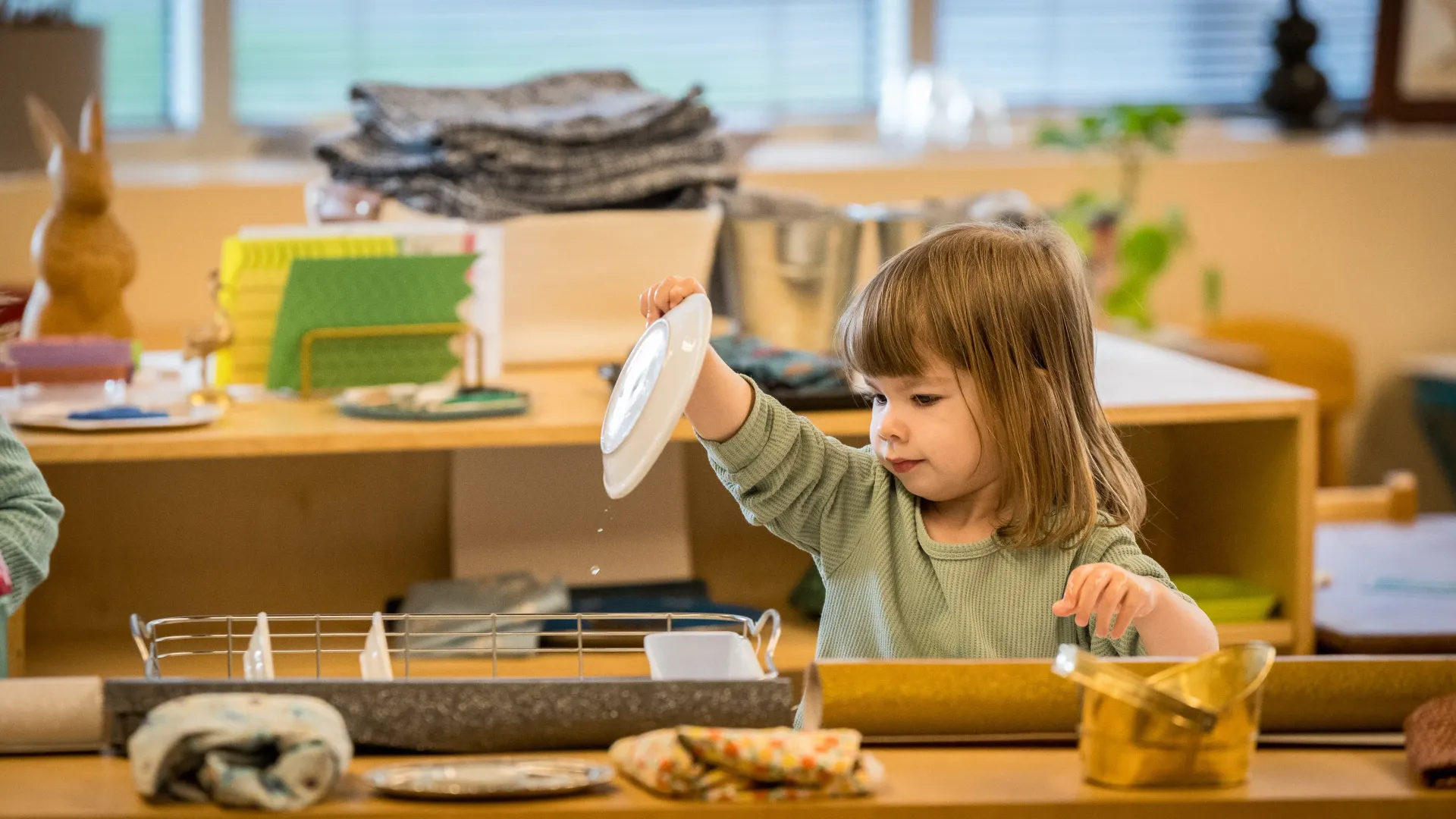
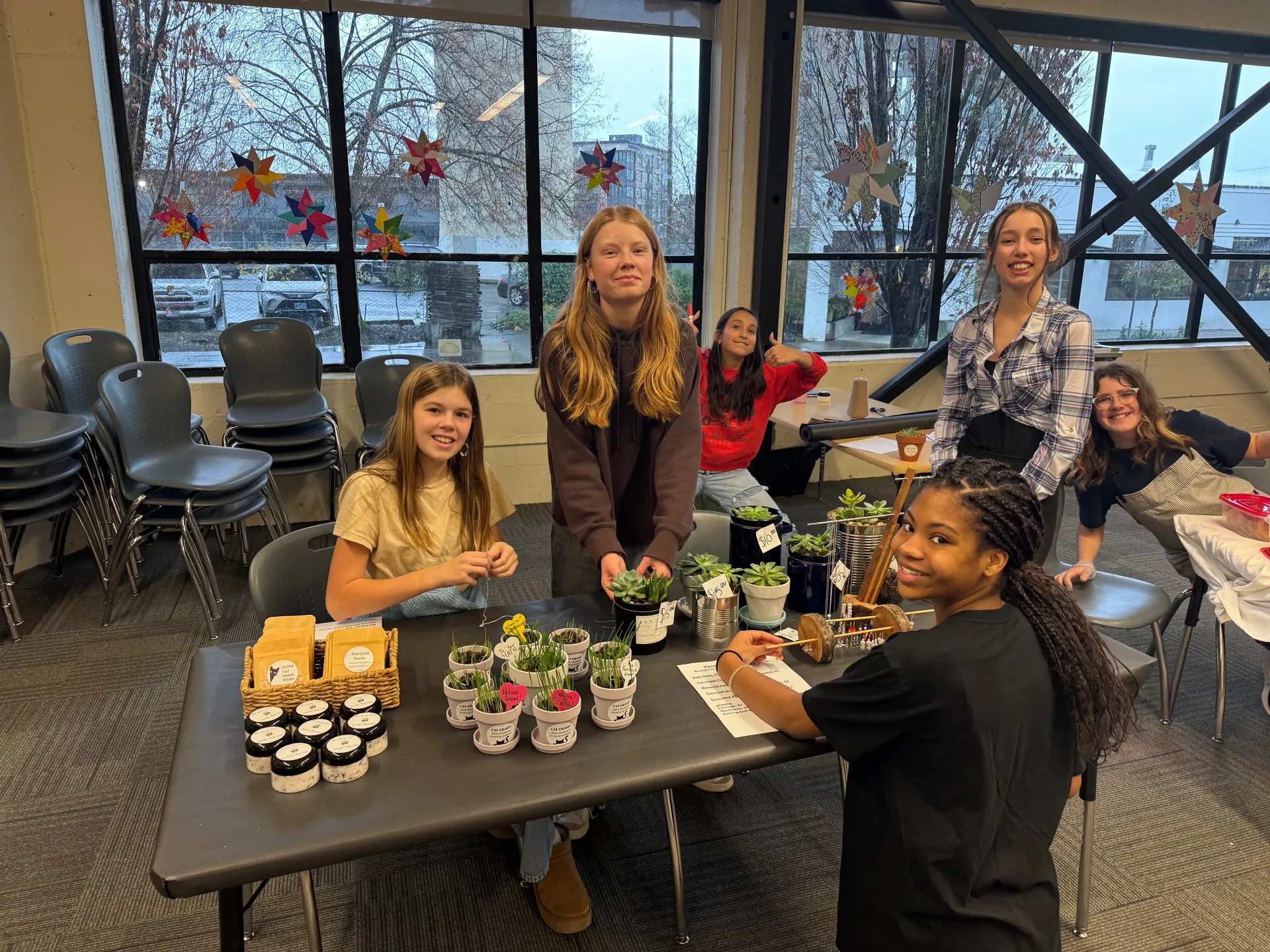
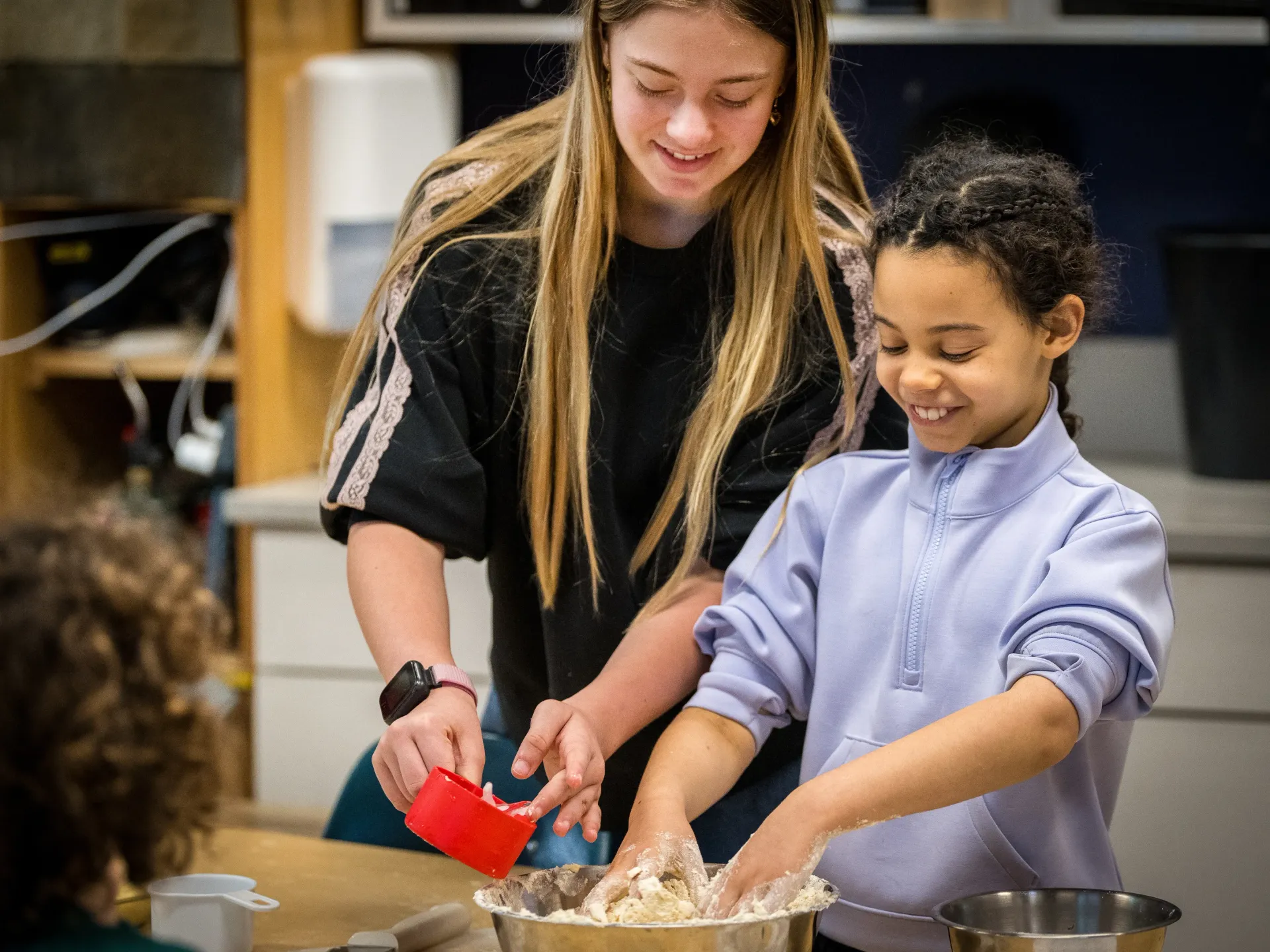
- Interdependent Shared Work: Activities such as food preparation and classroom maintenance help children understand the value of contributing to a community.
- Guide Modeling: Our teachers (known as Montessori Guides), demonstrate the calm communication and problem-solving skills that children internalize over time.
- DEI and SEED Programs: Through the SEED (Seeking Educational Equity and Diversity) program, Childpeace intentionally fosters a sense of belonging and equity for every student.
The Long-Term Benefits: Preparing the "Citizen of the World"
Why does social cohesion matter? Research indicates that these foundational experiences in the "second plane of development" lead to:
- Greater Emotional Wellbeing: Students feel seen, supported, and psychologically safe.
- Resilience and Collaboration: The ability to work across differences in an increasingly complex world.
- Ethical Leadership: Preparing students for future workplaces and global citizenship.
Montessori at Home: Tips for Families
Parents can support social cohesion at home by extending the "prepared environment" into daily life:
- Model Collaborative Problem-Solving: Demonstrate respectful dialogue during family disagreements.
- Assign Meaningful Responsibilities: Engage children in "real work," such as meal preparation or pet care, to build a sense of purpose and contribution.
- Practice Empathy: Talk openly about different perspectives to strengthen emotional intelligence and "theory of mind."
- Establish Predictable Routines: Support student independence by creating shared expectations and consistent home structures.
By nurturing social cohesion, we are doing more than managing a classroom; we are helping children develop the internal compass they need to lead with empathy and integrity. This is the ultimate goal of a Montessori education—to prepare the child for the "magnificent adventure" of life itself.
FAQ
Q: How is Montessori social-emotional learning different?
A: Traditional schools often use reward-based systems. Montessori focuses on "social cohesion," where children learn to regulate their behavior based on their responsibility to the community and their own internal moral compass.
Q: What are 'Grace and Courtesy' lessons?
A: These are specific lessons taught in Montessori classrooms to show children how to handle social situations—such as how to interrupt politely, how to offer help, or how to resolve a disagreement with a peer.
Q: Why are mixed-age classrooms important for social skills?
A: Mixed-age groupings allow for a natural social hierarchy where older students reinforce their own knowledge by teaching younger ones, and younger students feel motivated by watching their older peers.